
Report Adverse Drug Events: What You Need to Know and How to Act
When you or someone you know has a bad reaction to a medication, it’s not just a personal problem—it’s a public health signal. Adverse drug events, harmful or unintended effects caused by medications taken at normal doses. Also known as adverse drug reactions, these events range from mild rashes to life-threatening heart rhythms or liver failure. Reporting them isn’t optional—it’s how drug safety improves for everyone. Every report adds data to the system that catches dangers before they hurt more people.
Doctors and pharmacists report these events, but you don’t need to be a professional to make a difference. If you took a new pill and started feeling dizzy, your heart raced, or your skin broke out in a way you’ve never seen before, that’s worth reporting. Pharmacovigilance, the science of tracking drug safety after they’re on the market relies on real-world stories, not just lab results. The FDA and Health Canada don’t know what’s happening in your kitchen, your car, or your bedroom unless you tell them. And tools like machine learning signal detection, AI systems that scan millions of reports to find hidden patterns are getting better at spotting these signals—but they still need your input to start the process.
Some reactions are obvious—like swelling after penicillin. Others are sneaky. A new fatigue, memory fog, or unexplained fall could be tied to a drug interaction you didn’t know about. That’s why reports from people on multiple meds matter. A person taking a blood pressure pill and an antihistamine might feel unusually tired, but if no one reports it, no one connects the dots. Drug safety, the ongoing effort to ensure medications do more good than harm only works when people speak up. You don’t need medical training. You just need to notice something off and say something.
What gets reported? Anything unexpected, serious, or new. Did your cholesterol drug make your muscles ache? Did your antidepressant cause a sudden change in mood? Did your generic pill taste different and then make you sick? These aren’t just complaints—they’re clues. And when enough people report similar issues, regulators act. That’s how drugs get updated warnings, dose limits changed, or even pulled from shelves—like the nitrosamine recalls or QT prolongation alerts for certain antidepressants.
You’re not just protecting yourself. You’re protecting the next person who gets prescribed the same medicine. The system only works if it’s full of real experiences. And the posts below give you the facts you need to recognize when something’s wrong, understand what’s behind the reactions you’ve seen, and know exactly how to act. Whether it’s a common side effect like drowsiness from antihistamines, a hidden interaction with CBD, or a rare but deadly syndrome from antipsychotics—each story matters. Here’s what people have reported, what experts found, and how you can help make the next prescription safer.
How to Report Adverse Drug Events to FDA MedWatch: Step-by-Step Guide for Patients and Providers
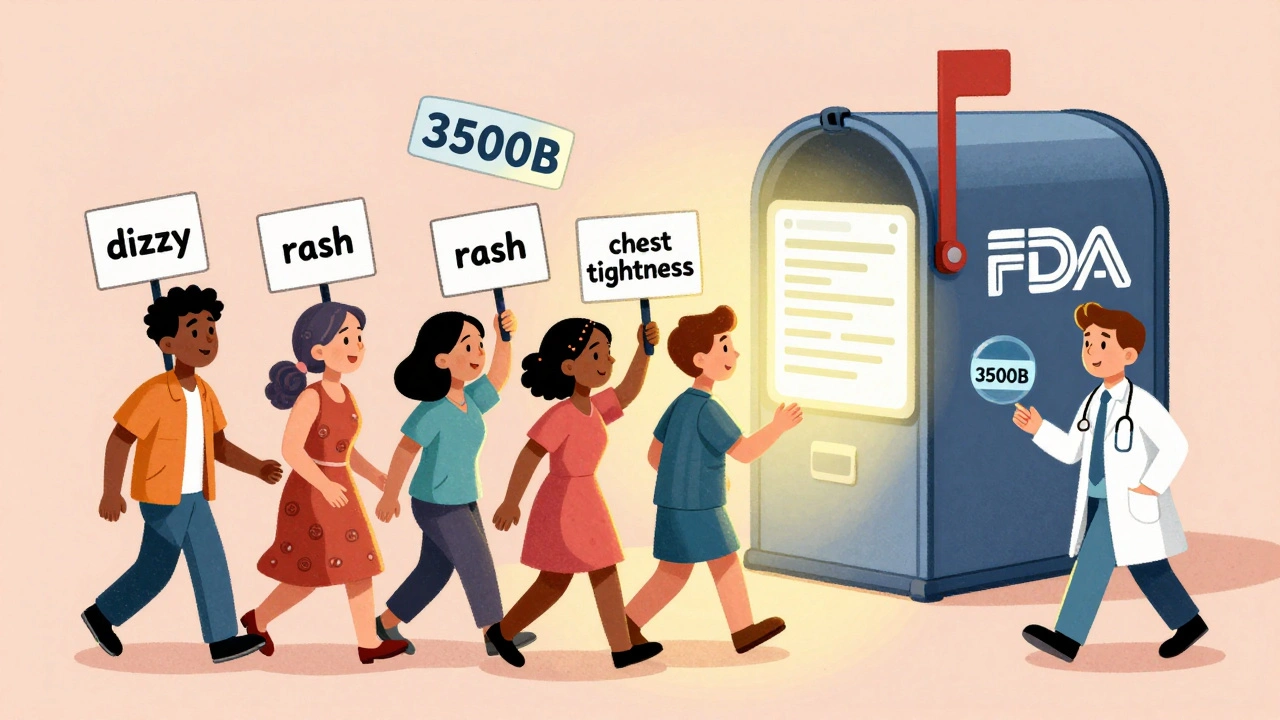
Learn how to report adverse drug reactions to the FDA's MedWatch system. Step-by-step guide for patients and providers on submitting reports, which forms to use, and why your report matters for drug safety.
More