
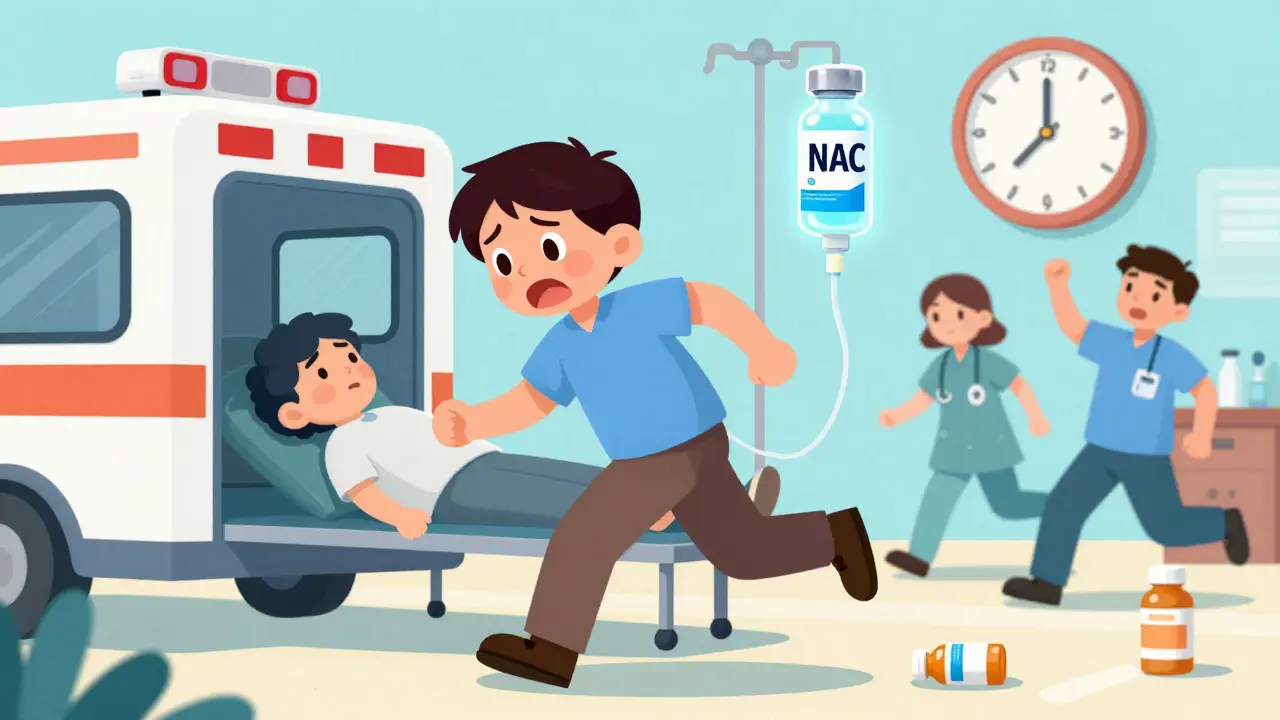
When someone takes too much of a medication, time becomes the most critical factor. A simple mistake, a misread label, or a deliberate act can lead to a life-threatening overdose. But the good news is that for many common drugs, there are proven antidotes that can reverse the damage-if given quickly enough. This guide breaks down exactly how these antidotes work, when they’re used, and what you need to know as a patient or someone who cares for one.
Acetaminophen Overdose: The Silent Killer
Acetaminophen (known as paracetamol outside the U.S.) is in more than 600 over-the-counter and prescription products-from pain relievers to cold medicines. It’s safe at normal doses, but taking just 10 to 15 grams at once can cause severe liver damage. The scary part? You might feel fine for the first 24 hours. By the time nausea, vomiting, or jaundice appear, the liver may already be failing.
The antidote is N-acetylcysteine (NAC). It works by replenishing glutathione, your body’s natural detoxifier, which gets used up when processing too much acetaminophen. If given within 8 hours of ingestion, NAC is 98% effective at preventing liver failure. After 8 hours, effectiveness drops sharply. After 16 hours, the risk of death or needing a liver transplant rises dramatically.
In hospitals, NAC is given intravenously over 21 hours: a 150 mg/kg dose over the first hour, then 50 mg/kg over the next 4 hours, then 100 mg/kg over the final 16 hours. Oral NAC is also an option but causes more nausea and vomiting. The full oral dose is 133 grams, split over 21 hours. The key takeaway? Don’t wait for symptoms. If you suspect an overdose-even if the person seems okay-get to the emergency room immediately.
Opioid Overdose: Naloxone Saves Lives
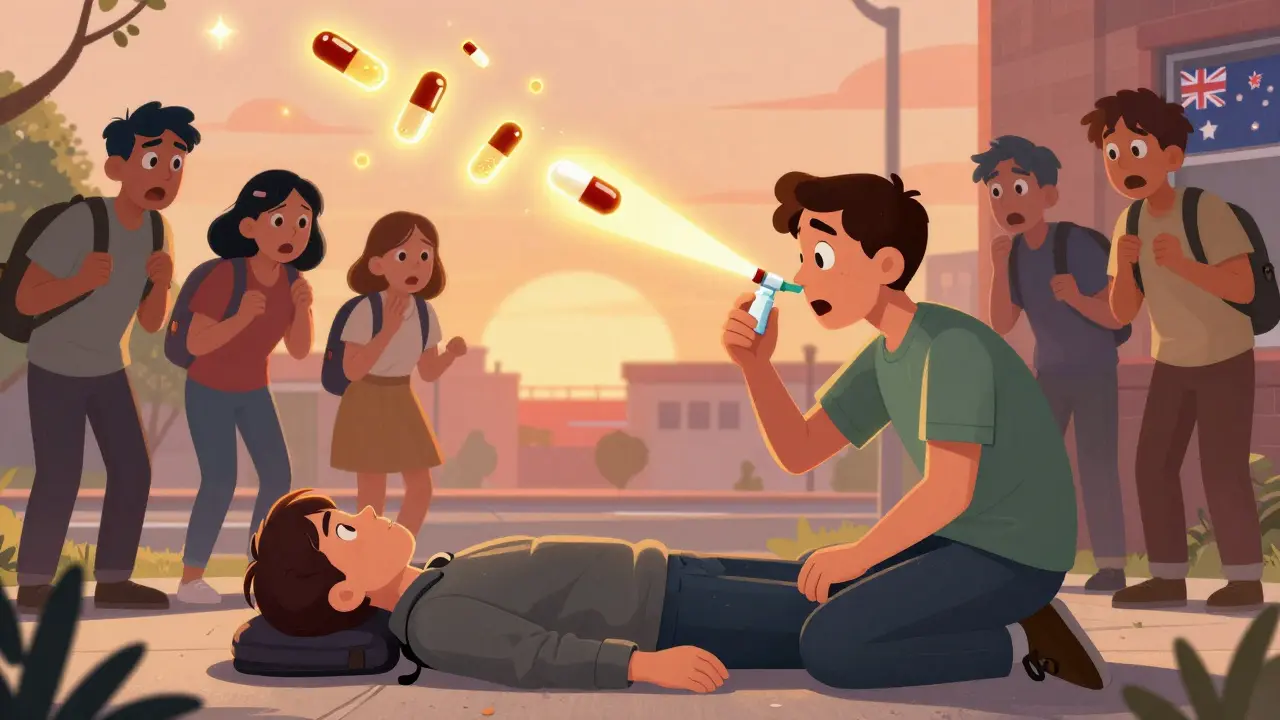
Opioids like heroin, fentanyl, oxycodone, and even prescription painkillers can slow or stop breathing. This is the main cause of death in opioid overdoses. The antidote? Naloxone. It works by kicking opioids off the brain’s receptors, restoring normal breathing within minutes.
Naloxone comes as a nasal spray (like Narcan) or an auto-injector. The standard dose is 0.4 mg to 2 mg, given either in the nose or into the muscle. If there’s no response after 2-3 minutes, give another dose. It’s safe to give multiple doses-there’s no upper limit. But here’s the catch: naloxone wears off in 30 to 90 minutes. Opioids like fentanyl can last much longer. That means someone can slip back into overdose after naloxone wears off. That’s why calling emergency services (triple zero in Australia) is non-negotiable-even if they wake up.
In Victoria, Australia, over 25,000 naloxone kits have been distributed since 2017, and 1,842 overdoses have been reversed using them. You can get naloxone for free from community health centers, pharmacies, and needle exchange programs. It’s not just for drug users. Friends, family members, and even bystanders can carry it. If you’re worried about someone who uses opioids, ask your doctor for a prescription. It could save their life.
Benzodiazepine Overdose: When the Antidote Can Be Risky
Benzodiazepines like diazepam (Valium), alprazolam (Xanax), and clonazepam (Klonopin) are prescribed for anxiety, seizures, and insomnia. Overdosing on them alone rarely causes death, but when mixed with alcohol or opioids, the risk skyrockets. Symptoms include extreme drowsiness, confusion, slow breathing, and sometimes coma.
The antidote is flumazenil. It reverses the sedative effects by blocking the same brain receptors. But here’s the problem: it’s dangerous for some people. If someone has been taking benzodiazepines daily for months or years, flumazenil can trigger sudden withdrawal-leading to seizures. That’s why doctors often avoid it in chronic users. Supportive care-monitoring breathing, giving oxygen, and waiting it out-is usually safer.
When flumazenil is used, it’s given slowly: 0.2 mg IV, then 0.3 mg every minute up to a max of 3 mg. Even then, it’s used only in a hospital setting with cardiac monitoring. The California Poison Control System warns: "Use small initial doses to avoid abrupt awakening or delirium." For most patients, the best approach is to keep them safe, keep them breathing, and wait for the drug to leave their system.
Toxic Alcohols: Ethylene Glycol and Methanol
These aren’t your typical medications-they’re found in antifreeze, windshield washer fluid, and some solvents. Accidental ingestion, especially by children or confused older adults, can be deadly. They don’t cause immediate symptoms. Instead, they’re metabolized into toxic acids that wreck the kidneys and brain.
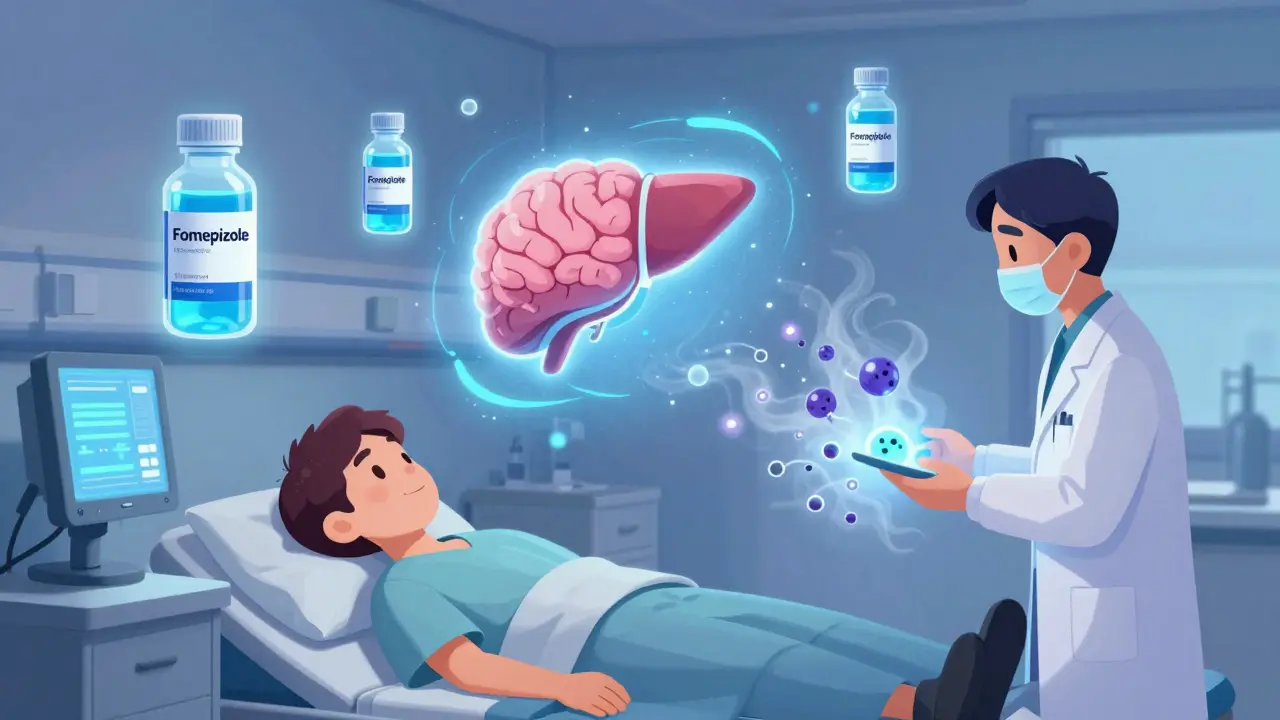
The antidote is fomepizole. It blocks the enzyme that turns these alcohols into poison. The standard dose is 15 mg/kg IV, then 10 mg/kg every 12 hours. It’s expensive-about $4,000 per treatment-but far safer than the old alternative: ethanol (vodka or whiskey). Ethanol works the same way but requires constant IV infusion, frequent blood tests, and carries risks of alcohol poisoning. Fomepizole is now the gold standard in hospitals.
If fomepizole isn’t available, ethanol can be used as a stopgap. But this requires careful dosing and monitoring. Either way, time matters. Treatment should begin within 1-2 hours of ingestion. Delayed treatment can lead to permanent kidney failure or blindness.
Methemoglobinemia: When Blood Can’t Carry Oxygen
This rare condition can happen after overdosing on certain drugs like dapsone, nitroglycerin, or even some local anesthetics. The blood turns chocolate-brown and can’t carry oxygen properly. The skin turns blue-gray, breathing becomes rapid, and the person gets dizzy or confused.
The antidote is methylene blue. It’s given as an IV push over 5 minutes at 1-2 mg/kg. It works by converting methemoglobin back into normal hemoglobin. But it’s not for everyone. People with G6PD deficiency (a genetic condition) can have severe reactions. The total dose should never exceed 7 mg/kg. If methylene blue isn’t available, oxygen therapy and supportive care are the next best options.
What You Can Do Now
You don’t need to be a doctor to act in an overdose. Here’s what you can do today:
- Keep naloxone at home if someone you know uses opioids. It’s free or low-cost in Australia through community programs.
- Store medications safely-out of reach of kids and older adults with memory issues.
- Know the signs of overdose: unresponsiveness, slow or no breathing, blue lips, pinpoint pupils.
- Call 000 immediately-don’t wait. Even if you give naloxone or think they’re fine, they still need medical care.
- Don’t rely on home remedies-inducing vomiting, giving milk, or using ice packs won’t help. Time and professional care do.
What Hospitals Do
Hospitals keep antidotes on hand based on risk and usage. The American Society of Health-System Pharmacists recommends that every facility stock NAC and naloxone. These are considered essential. Fomepizole and methylene blue are kept in larger hospitals or trauma centers. Rural hospitals often lack these, which is why early recognition and calling emergency services are even more critical.
Doctors don’t guess. They use tools like the Rumack-Matthew nomogram for acetaminophen overdose, which uses blood levels and time since ingestion to decide if NAC is needed. For opioids, they check for respiratory depression. For toxic alcohols, they test for high anion gap acidosis. Treatment isn’t one-size-fits-all. But the principles are simple: stop the poison, support the body, and reverse the effect if you can.
Looking Ahead
More progress is coming. In 2023, the FDA approved Narcan nasal spray for over-the-counter sale without a prescription. It’s expected to hit shelves in late 2024. Longer-acting naloxone versions are in clinical trials, which could mean fewer repeat doses. Research into new antidotes for other drugs, like valproic acid, is also underway.
But the biggest breakthrough isn’t a new drug-it’s awareness. More people are learning how to use naloxone. More pharmacies are offering it for free. More families are keeping it on the fridge like an EpiPen.
Can I give an antidote to someone myself?
Yes-but only for naloxone in opioid overdoses. Naloxone nasal spray is safe for anyone to use. For other antidotes like NAC or flumazenil, you must get the person to a hospital. These require IV access and medical monitoring. Never try to give someone an antidote unless you’re trained and it’s specifically designed for public use.
Is it safe to give naloxone to someone who hasn’t taken opioids?
Yes. Naloxone has no effect on people who haven’t taken opioids. It won’t harm them. If you’re unsure whether someone overdosed on opioids, give naloxone anyway. It’s harmless and could save their life.
How long does NAC take to work for acetaminophen overdose?
NAC doesn’t work like a painkiller-it doesn’t give immediate relief. Instead, it prevents liver damage over time. It’s given as a 21-hour IV drip. The person may still feel sick, but the antidote is working to stop the poison from destroying their liver. You won’t see a quick change, but you’ll prevent a long-term crisis.
Can I get naloxone without a prescription in Australia?
Yes. In Victoria and other states, naloxone is available for free from community health centers, pharmacies, and needle exchange programs. You don’t need a prescription. Ask for the Take-Home Naloxone Program. Many pharmacies also sell it over the counter for under $40.
What should I do if someone overdoses and I don’t have an antidote?
Call 000 immediately. If they’re unconscious but breathing, put them in the recovery position (on their side). If they’re not breathing, start CPR. Don’t try to make them vomit or give them anything to drink. Keep them warm and stay with them until help arrives. Emergency responders carry antidotes and can treat them faster than you can.
Final Thoughts
Antidotes aren’t magic bullets. They’re tools that work best when used early, in the right setting, and with professional backup. The most powerful thing you can do is learn the signs of overdose and know where to get help. Keep naloxone handy if you’re around opioids. Never delay care for acetaminophen-even if the person seems fine. And remember: in overdose situations, seconds count. Your action could mean the difference between life and death.
Milad Jawabra
NAC is a lifesaver but most people don't know about it until it's too late. My cousin took 10 extra Tylenol after a breakup and thought she'd be fine. She wasn't. Got to the ER at 7 hours - they started NAC right away. She's good now. Don't wait for symptoms. If you suspect it, GO. No excuses.
Donna Zurick
Naloxone should be as common as fire extinguishers in every home. Seriously. I keep two in my glovebox and one by the fridge. My brother OD'd last year. Naloxone brought him back. He's been clean 14 months now. It's not magic - it's just time. And time is what you buy when you act fast.
Levi Viloria
Kinda wild how we've got these lifesaving tools but still treat overdose like it's a moral failing. Fomepizole costs $4k? That's insane. We spend way more on military drones. If we treated addiction like a public health issue instead of a crime, we'd have these antidotes in every corner store. Not just hospitals. Think about it.
Matt Alexander
For acetaminophen - if someone took too much, even if they feel fine, go to the ER. Don't wait. NAC works best under 8 hours. After that, it's a crapshoot. Simple. No drama. Just do it.
Gretchen Rivas
Flumazenil is risky. Chronic benzo users can seize if you give it. I saw it happen. They revived the guy but he had a full-body convulsion. Better to just monitor and wait. Sometimes the slow way is the right way.
John Cyrus
People think naloxone encourages drug use. Nah. It just gives them another chance to screw up. Why waste money on a drug that only works if you're already a junkie? We should be cutting off the supply not handing out band-aids
John Smith
Y'all act like NAC is some miracle cure but let's be real - most people don't even know what acetaminophen is. They just see "Tylenol" on the bottle and think it's candy. I've seen grandmas take 12 pills because they forgot they already took 4. We need labels that scream DANGER like on cigarette packs. No more polite little warnings. This shit kills. Period.
Sharon Lammas
I lost my sister to a benzo-alcohol mix. They gave her flumazenil because she was "acute" - no history. She seized. We lost her in 12 minutes. I wish they'd just let her sleep it off. The system is so rigid. We don't treat overdose like a medical emergency. We treat it like a puzzle with rules. But people aren't puzzles. They're just scared, tired, hurting humans.
Aisling Maguire
My mate in Dublin got handed a naloxone kit at a pub last year. Said he didn't think he'd ever use it. Then his mate went blue. Used it. Brought him back. Now he carries two. Free. Easy. No stigma. Why isn't this everywhere? It's not rocket science. It's basic human decency.
Shivam Pawa
Metabolic acidosis from ethylene glycol is a classic anion gap scenario. The osmolar gap is key for early detection. Fomepizole inhibits alcohol dehydrogenase, blocking the formation of oxalic and formic acids. Ethanol competes as a substrate but has a narrower therapeutic window. IV hydration and dialysis remain adjunctive. Always correlate with lactate and bicarb.
Diane Croft
I keep naloxone in my purse. My niece uses. I don't judge. I just want her alive. If you're reading this and you care about someone - get the spray. It's free. It's simple. Do it today.
Tobias Mösl
This whole post is a government psyop. Naloxone is just keeping junkies alive so they can keep using. The real solution is locking them up. And why is fomepizole so expensive? Because Big Pharma owns the patents. They want you to die slowly so they can sell you a new one next time. Wake up. This isn't medicine. It's a cash grab.
tatiana verdesoto
I work in ER. Saw a 16-year-old come in after accidentally taking her mom's Xanax. She was barely breathing. We gave her flumazenil - slow, careful. She woke up confused, scared. But alive. Her mom cried. We didn't yell. We didn't shame. We just held her hand. Sometimes the antidote isn't the drug. It's the fact that someone didn't look away.