
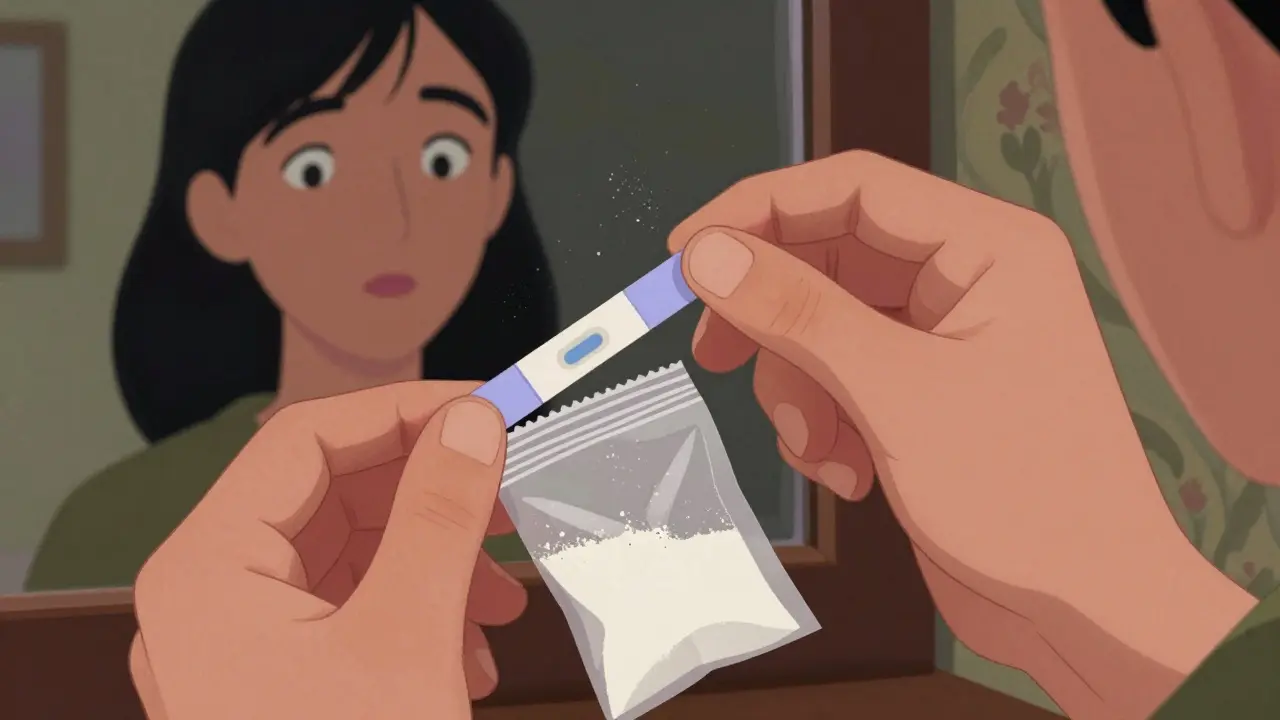
Every day, people who struggle with addiction face a terrifying uncertainty. They might pick up a dose of what they think is heroin or cocaine, only to find out later that it was laced with something much more potent. This isn't just bad luck; it's a systemic failure of the current drug supply that we can address directly. Overdose prevention isn't about waiting for someone to wake up-it's about building layers of protection before a crisis happens.
If you care about someone dealing with Substance Use Disordersmedical conditions characterized by the compulsive use of substances despite harmful consequences, you know how helpless it feels to stand on the sidelines. But there are concrete steps you can take. We're talking about tools that save lives right now and treatments that change the brain chemistry so the urge to use fades over time. By combining immediate rescue methods with long-term medical support, we can drastically reduce the risk.
The Reality of the Drug Supply Today
To understand why prevention is tricky, you have to look at what is actually being sold on the street. The landscape changed dramatically when Fentanyla powerful synthetic opioid roughly 50 times stronger than morphine entered the illicit market. What used to be pure substances are now often mixed with this compound. Sometimes it's hidden in pills that look like legitimate prescription medications like oxycodone. Other times, it's mixed into stimulants like methamphetamine. Users often don't know they are taking it.
This variability creates a dangerous gap in tolerance. If your body gets used to a certain strength of drugs, and then you accidentally consume a dose ten times stronger, your system shuts down. That's what causes the overdose. The solution starts with knowing what you are handling. Fentanyl Test Stripssmall paper strips used to detect the presence of fentanyl in drugs are becoming essential gear. These are simple pieces of paper you dip into a sample of liquid or powder. If the line shows up, you know fentanyl is present. While they aren't perfect-they can sometimes miss tiny amounts-they give you crucial information before you inhale or inject anything.
Naloxone: The Immediate Rescue Tool
If prevention means stopping the drug from entering your body, the next layer is having something ready if exposure does happen. This brings us to Naloxonea medication that rapidly reverses the effects of opioid overdose. Many people are scared to carry this because they think it needs a doctor's prescription or complex medical training. In many places, that is no longer true. You can walk into a pharmacy and ask for it, and in some regions, community organizations hand out kits for free.
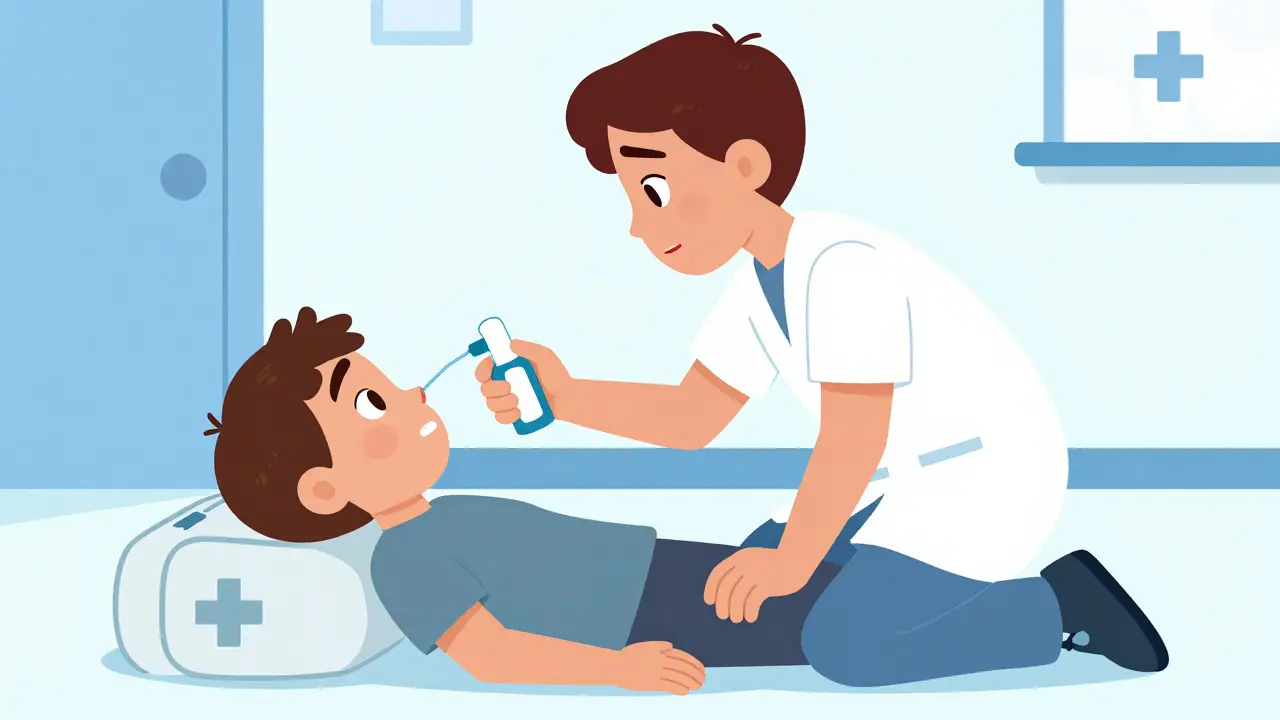
It works by kicking opioids off the receptors in the brain that control breathing. Think of it as an emergency brake. When someone stops breathing because they took too many opioids, you spray this into their nose or inject it, and usually, within minutes, they start breathing again. It doesn't cause addiction or make them feel high. It simply neutralizes the overdose. The best part is that once you learn how to use one, you can keep a spare in your car, your bag, or at home. It costs very little compared to the cost of an ambulance or worse, a funeral. Training is straightforward: clear the airway, check for breathing, administer the spray, and call emergency services if they don't wake up.
| Type | Administration Method | Speed of Action | Skill Level Required |
|---|---|---|---|
| Intranasal Spray | One spray in each nostril | Within 2-5 minutes | Minimal (Very Easy) |
| Injectable Formulation | Muscle or IV injection | Rapid onset | Moderate (Requires Training) |
| Auto-Injector | Push against thigh skin | Within 2-5 minutes | Minimal (Similar to Epipen) |
Building Long-Term Protection Through Medication
Carrying emergency tools is vital, but nothing prevents the risk quite like addressing the underlying addiction itself. That's where Medication-Assisted Treatmentlong-term medical therapy using FDA-approved medications to treat addiction comes in. There are three main options available, and choosing one depends on your lifestyle and medical history.
First, there is methadone. It has been around for decades. You usually take it daily at a clinic, which provides structure. Then there is buprenorphine, often combined with naloxone. This version blocks cravings but also reduces the chance of misuse. Finally, there is naltrexone, which requires you to stop using opioids completely for a week before starting. Once on board, it acts as a shield; if you do use opioids while on this medication, they won't give you any effect. Data consistently shows that staying on these medications reduces the risk of fatal overdose significantly-often by half. It stabilizes the brain so you aren't chasing highs that kill you.
Safety Plans and Behavioral Habits
Even with medication and rescue tools, habits matter. One of the biggest drivers of overdose death is isolation. Using alone means if you slip into an overdose, no one is there to flip you over or call for help. This is why programs like 'Never Use Alone' hotlines exist. You call a number before you use, and a person stays on the phone monitoring you until you are safe. If they hear silence, they dispatch help. It sounds simple, but checking in can be the difference between life and death.
You should also develop a personal safety plan. This is written guidance for yourself or friends on exactly what to do during an emergency. Write down the location of your naloxone. Note any allergies. Tell two trusted friends where you are going. If you share needles or equipment, ensure everyone understands how to recognize the signs of respiratory depression. Slow speech, blue lips, and limpness are red flags. Acting fast when you see those signs saves lives. Ignoring them assumes you can rely on luck, and luck runs out eventually.
Breaking the Stigma Around Treatment Access
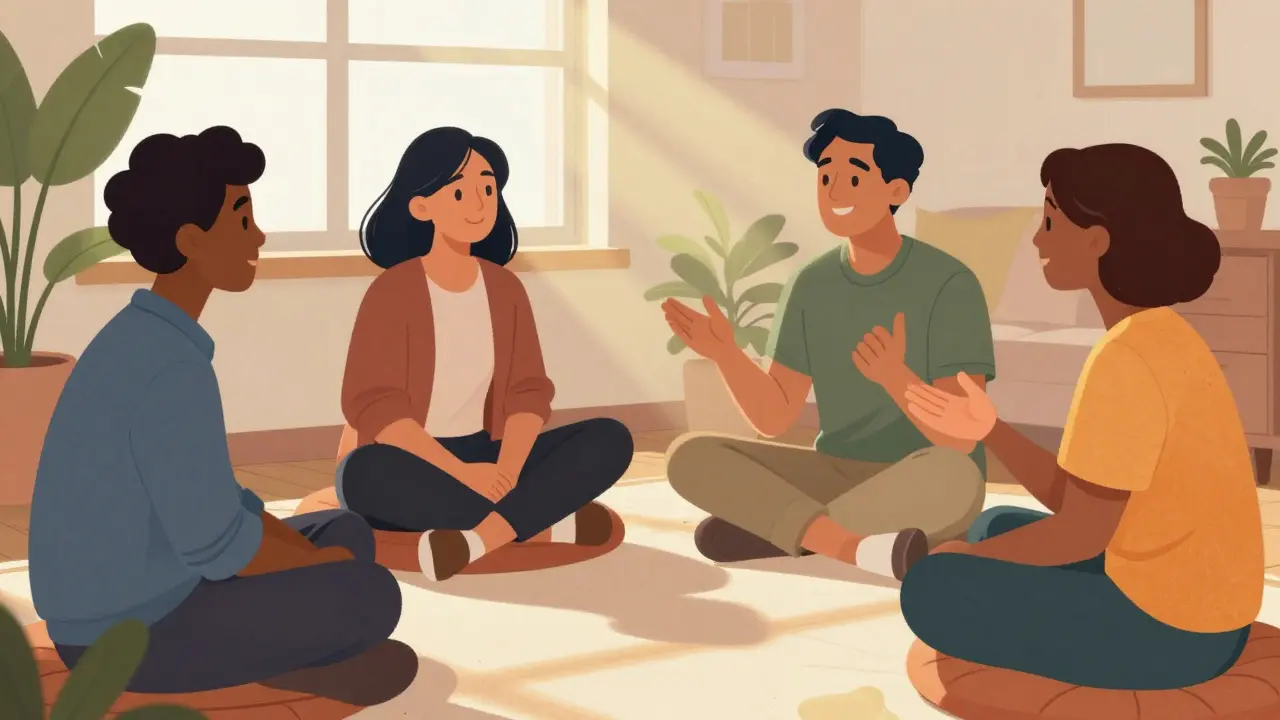
A massive barrier to preventing overdose is shame. People suffering from addiction often hide their struggle because they fear judgment from family, doctors, or neighbors. They worry that asking for help means admitting defeat. This culture stops people from getting naloxone or signing up for treatment programs. We need to shift our view to see addiction as a health condition, not a moral failing. In places where communities embrace Harm Reductionpractical policies designed to minimize negative social or physical consequences associated with various practices, fewer people die. When clinics focus on keeping people alive rather than punishing relapse, engagement increases. Friends and family play a role here too. Listening without judgment opens the door for honest conversations about safety.
What Happens After Release from Custody?
There is one period where risk is astronomically high: immediately after leaving jail or prison. Tolerance drops quickly when you are behind bars because you haven't had access to drugs in weeks or months. If you resume using at the same strength you were at before release, you will likely overdose. The body has become sensitive again. Studies show the first few weeks post-release are critical. Connecting with a harm reduction provider or a MAT doctor before you even leave custody can set a lifeline. Having a plan for housing and medication pickup removes the chaos that leads to unsafe choices in the first days of freedom.
Summary of Actionable Steps
You don't need to solve the whole drug crisis today, but you can protect the people around you. Keep these points in mind as you move forward:
- Get Naloxone: Do not wait for a medical diagnosis to carry rescue medication.
- Test Your Supply: Use test strips if you know the drug might contain fentanyl.
- Encourage Medication: Push for MAT options like buprenorphine or methadone for sustained recovery.
- Never Use Alone: Encourage connection during use or utilize monitoring services.
- Create Safety Protocols: Make sure friends and partners know where supplies are kept and how to react.
Frequently Asked Questions
Does taking naloxone hurt the person having an overdose?
No, naloxone does not cause pain. However, because it reverses the sedative effects of opioids rapidly, it may trigger acute withdrawal symptoms like nausea or shaking. It can feel unpleasant, but it is not painful in the traditional sense and is far safer than remaining unconscious.
Can fentanyl test strips give false results?
Yes, they can. False negatives happen if the concentration of fentanyl is below the detection threshold of the strip. They work best with powders or liquids. A positive result confirms fentanyl is present, but a negative result does not guarantee safety, as other dangerous substances could still be present.
Is medication for addiction considered replacing one drug with another?
This is a common misconception. Medications like methadone or buprenorphine stabilize brain chemistry and reduce cravings, allowing for normal function. Unlike street drugs, they do not produce euphoria and are administered under strict medical supervision to ensure safety.
Why do overdose risks increase after jail time?
During incarceration, individuals are often cut off from illegal drugs. Their physical tolerance decreases significantly. Upon release, if they resume their previous dosage habits, the body cannot handle the amount, leading to a high probability of respiratory failure and death.
Where can I get naloxone without a doctor?
Many pharmacies offer over-the-counter naloxone. Additionally, local health departments, syringe service programs, and community harm reduction centers often distribute it for free regardless of whether you have a prescription or a diagnosed disorder.
Beth LeCours
Nobody actually listens to any of this advice these days.
Branden Prunica
Reading this makes my chest tight because we lost so many friends to this exact scenario last year and the pain is still fresh in our minds.
It feels like nothing is changing even with all the new information being shared widely online.
Divine Manna
The pharmacological mechanisms described here are accurate regarding receptor antagonism and tolerance decay timelines.
Goodwin Colangelo
Make sure to rotate the kit location regularly so everyone knows exactly where the naloxone spray is kept during emergencies.
You should label it clearly in plain sight so panic does not lead to wasted seconds finding supplies.
Ace Kalagui
It really makes sense when you look at the broader picture of how communities operate under stress. We often forget that addiction is a medical issue rather than a choice people make lightly. I have seen families fall apart because they did not understand the mechanics of tolerance properly. When someone comes off the streets they lose their ability to handle the stuff safely. It is tragic to watch people struggle without access to basic tools like test strips. Having those little papers in your pocket can mean staying alive through a rough patch. Naloxone is definitely the most critical tool mentioned in this discussion today. You cannot argue with the science that shows how quickly breathing stops during an event. The fear of judgment prevents too many folks from carrying the rescue kits at home. Shame plays a big role in why people hesitate to ask for help from neighbors. Building a support network is just as important as having the medication ready. Isolation creates the perfect storm for accidents to happen in private spaces. Calling a hotline before using might feel awkward but it saves lives consistently. Treatment options like buprenorphine offer a stable path forward for recovery work. Medication assisted treatment helps rewire the brain chemistry over a long period. Ultimately we need to treat this as a public health crisis requiring collective action.
Joseph Rutakangwa
stay calm have plan keep kit visible check breath act fast save life
Joey Petelle
Oh wonderful another pamphlet telling us to manage symptoms while the real supply chains go unchecked by regulators.
We play whack-a-mole with death instead of fixing the factory source creating these poison pills.
Will Baker
You think ignoring the problem makes it better nobody cares about anyone dying in the gutter anymore.
angel sharma
You have the power to change outcomes in your neighborhood right now and taking charge builds resilience against despair.
Fear should never stop you from learning how to hold a strip or open a spray bottle when someone needs you most.
Dee McDonald
Stop waiting for permission and grab the testing strips immediately because every hour counts when someone needs help surviving.
Divine Manna
Societal apathy is indeed a compounding factor in mortality rates despite available harm reduction protocols.