
Category: Health and Medicine - Page 2
How to Manage Antibiotic Side Effects Without Stopping Your Course
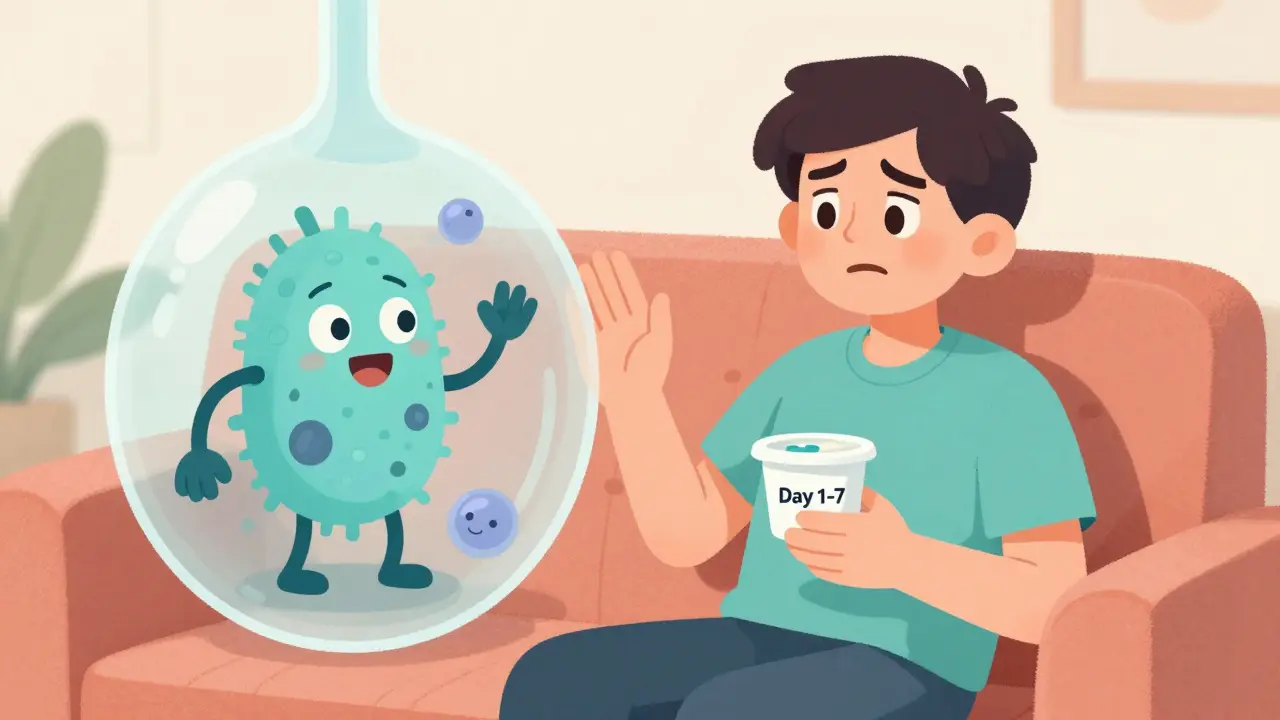
Learn how to manage common antibiotic side effects like nausea, diarrhea, and photosensitivity without stopping your treatment. Practical tips backed by medical guidelines to help you finish your course and fight antibiotic resistance.
MoreTinnitus and Ringing in the Ears from Medications: What You Need to Know
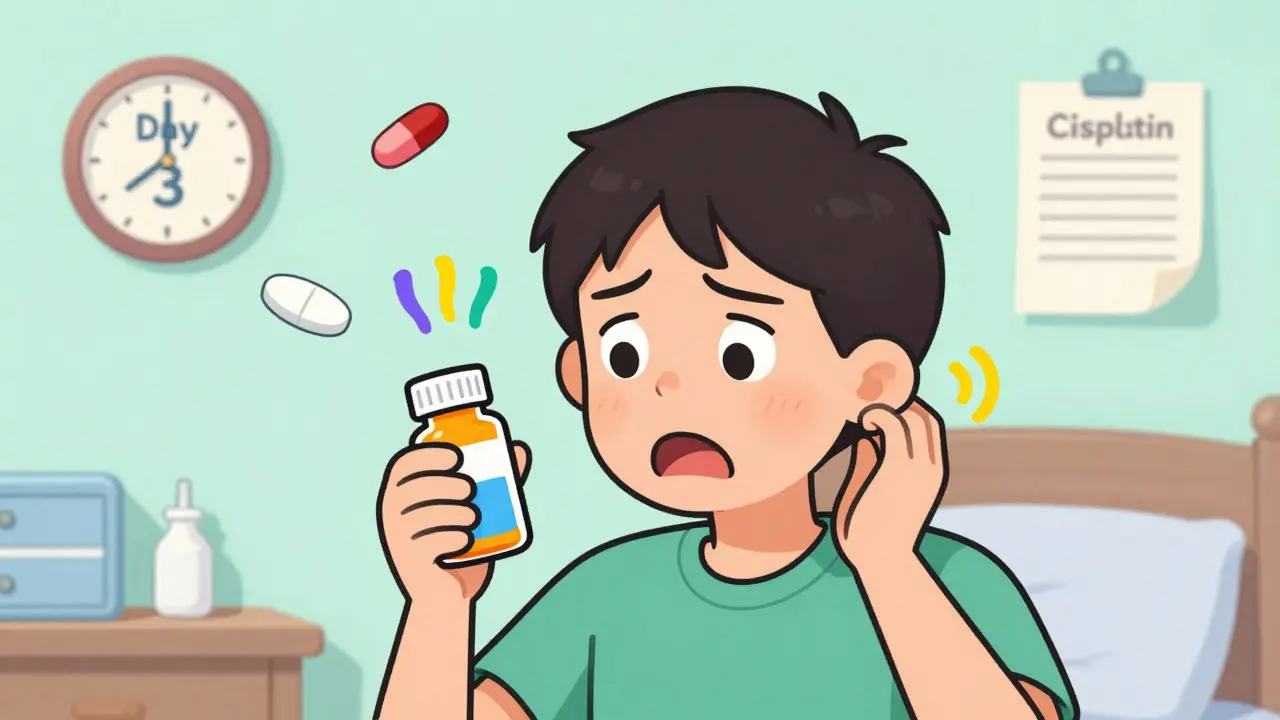
Many medications can cause ringing in the ears. Learn which drugs are most likely to trigger tinnitus, how to spot it early, and what steps to take to protect your hearing without stopping essential treatments.
MoreUsing Wearables to Track Side Effects: Heart Rate, Sleep, and Activity
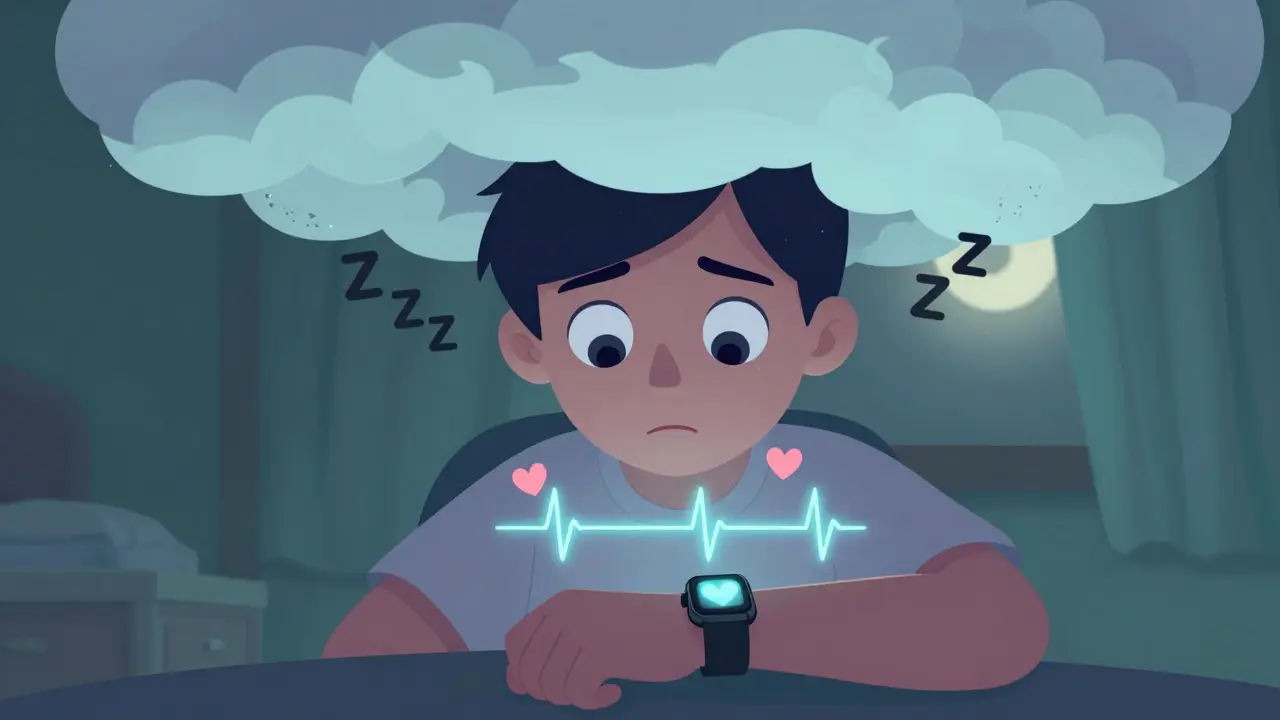
Wearables like smartwatches and fitness trackers can detect subtle side effects from medications by monitoring heart rate, sleep, and activity. Learn how they work, which devices are best, and how to use them safely without falling into alert fatigue.
MoreBlood Thinner Overdose and Internal Bleeding: What to Do Immediately
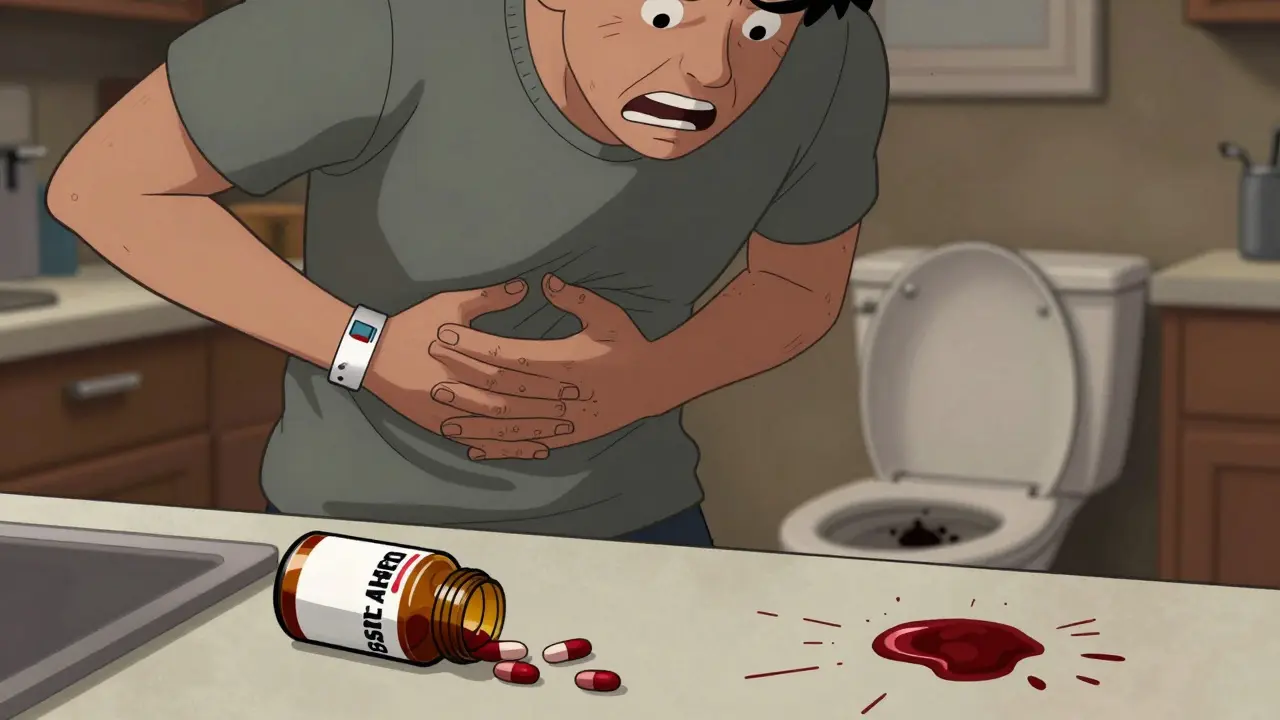
A blood thinner overdose can cause life-threatening internal bleeding. Know the warning signs, act fast, and get emergency help immediately. This guide covers what to do, what hospitals do, and how to prevent it.
MoreAnticoagulants and Bleeding Disorders: How to Prevent Hemorrhage in Patients on Blood Thinners
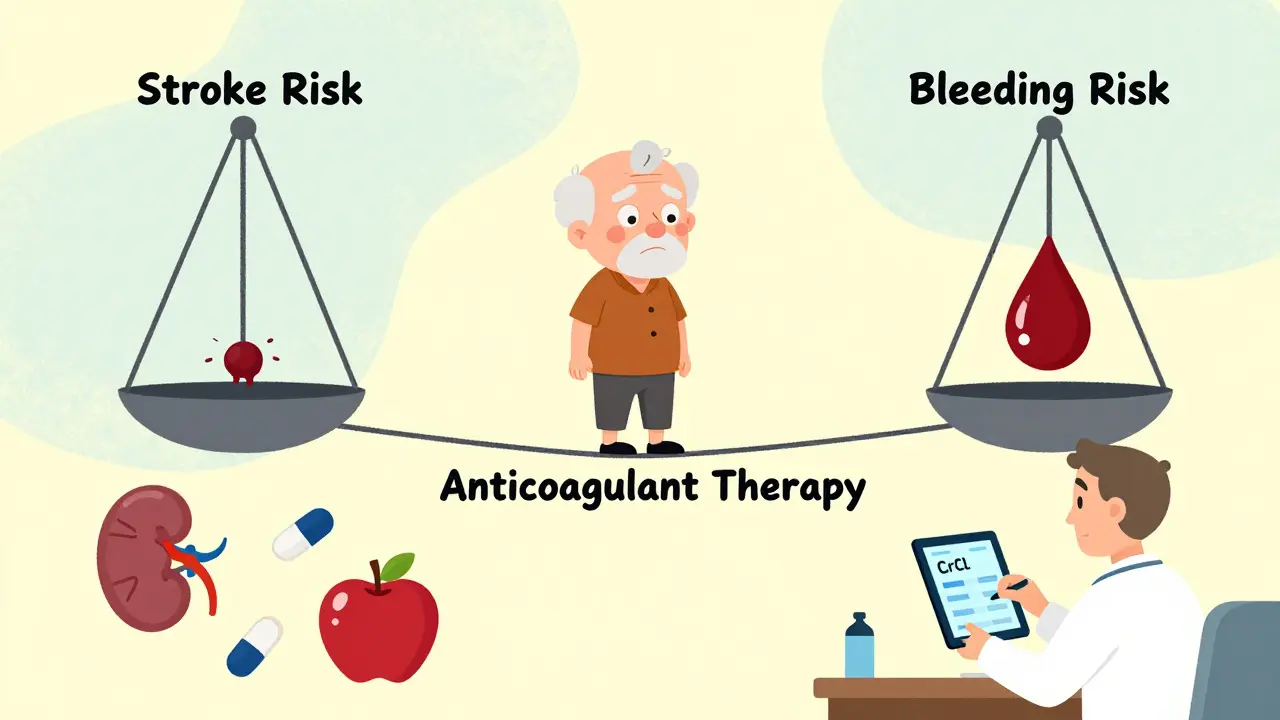
Anticoagulants prevent deadly clots but carry serious bleeding risks. Learn how to prevent hemorrhage with proper dosing, kidney monitoring, reversal agents, and when to restart therapy after bleeding.
MorePediatric Dosing: Weight-Based Calculations and Double-Checks for Medication Safety
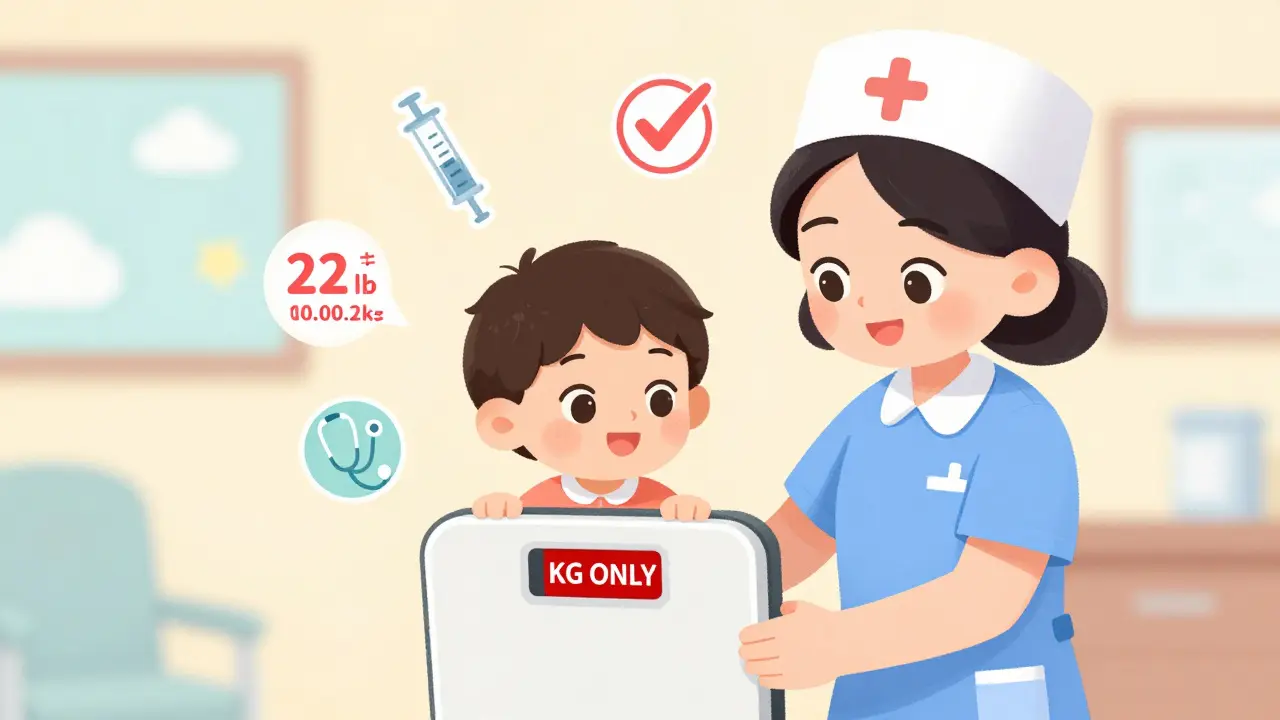
Weight-based pediatric dosing is the gold standard for medication safety in children. Learn how to calculate doses correctly, avoid common errors, and implement double-check protocols that prevent life-threatening mistakes.
MoreGLP-1 Receptor Agonists for Weight Loss and A1C Reduction: What You Need to Know
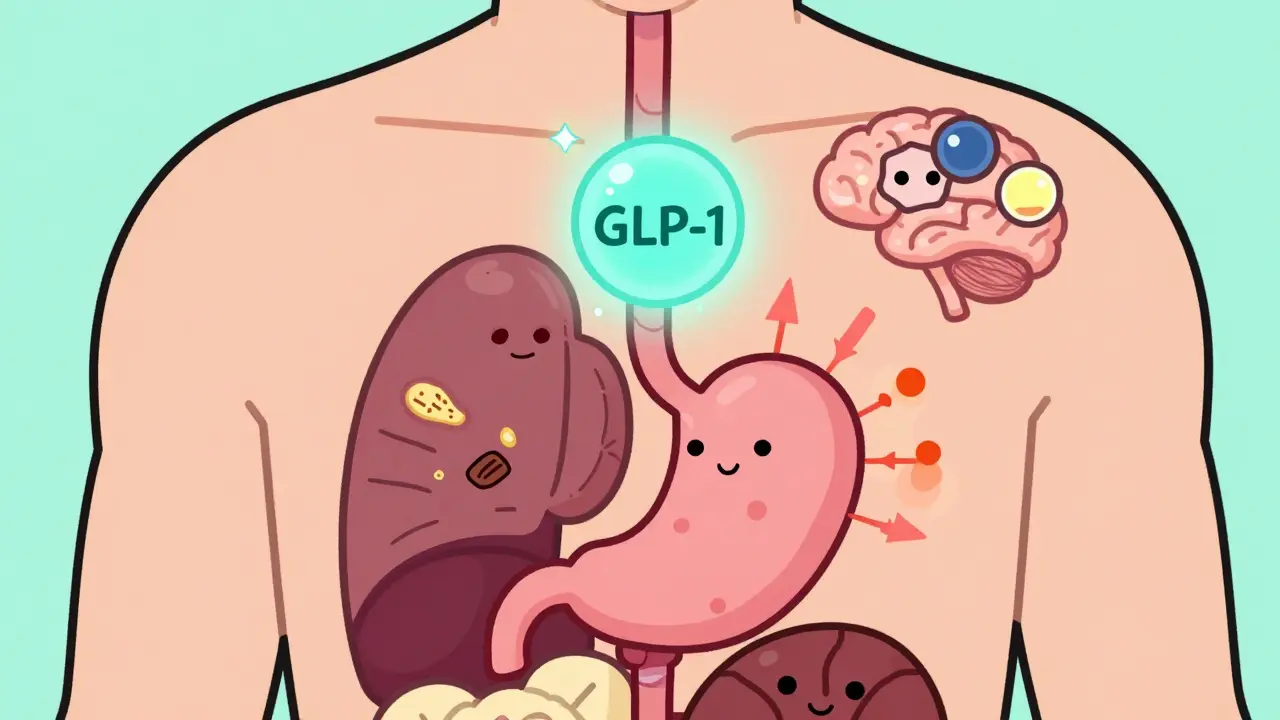
GLP-1 receptor agonists like Ozempic and Wegovy help lower A1C and cause significant weight loss by reducing appetite and slowing digestion. Learn how they work, which ones are most effective, and what to expect when starting treatment.
MoreHow to Check Drug Coverage Tiers and Formulary Changes for Senior Medications
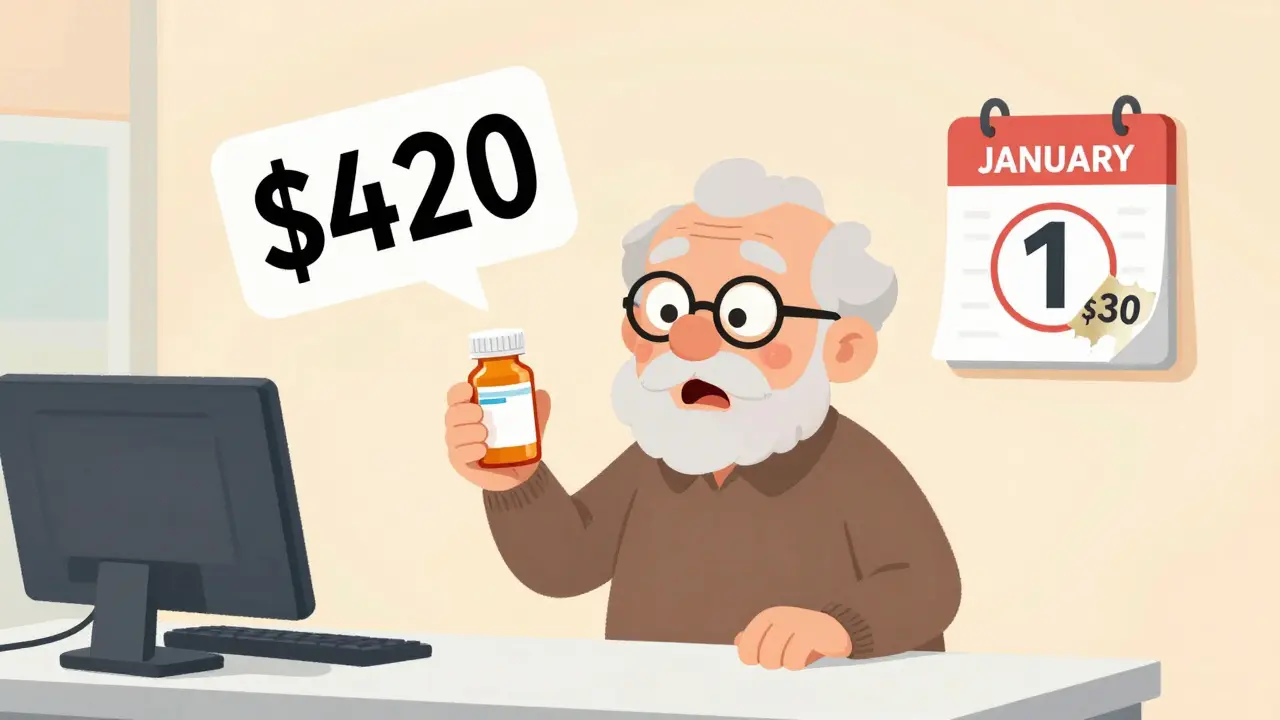
Learn how to check your Medicare Part D drug coverage tiers and spot formulary changes that could raise your medication costs. Know your options before your next prescription.
MoreHigh-Potassium Foods and Blood Pressure Medications: What You Need to Know
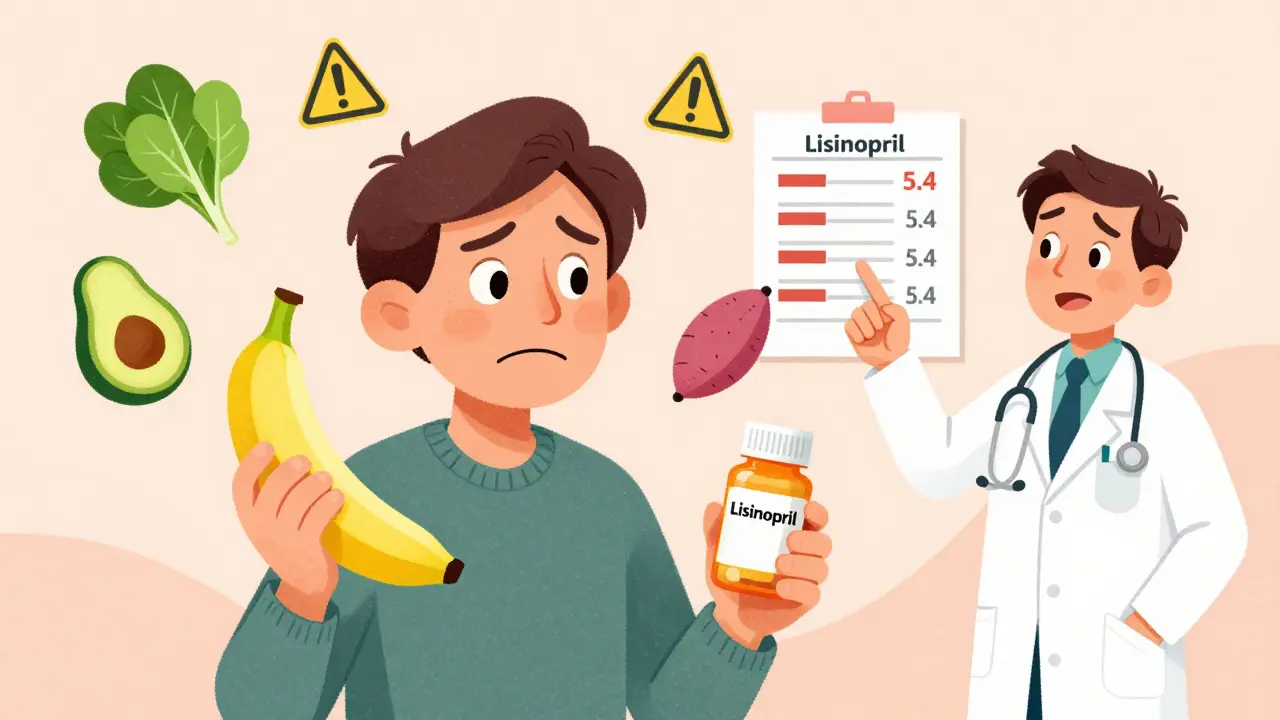
High-potassium foods can help lower blood pressure, but they can be dangerous when combined with common blood pressure medications like ACE inhibitors and ARBs. Learn which foods to watch, how to stay safe, and what to do if you're on these meds.
MoreWhen Expired Medications Become Toxic and Dangerous: What You Need to Know
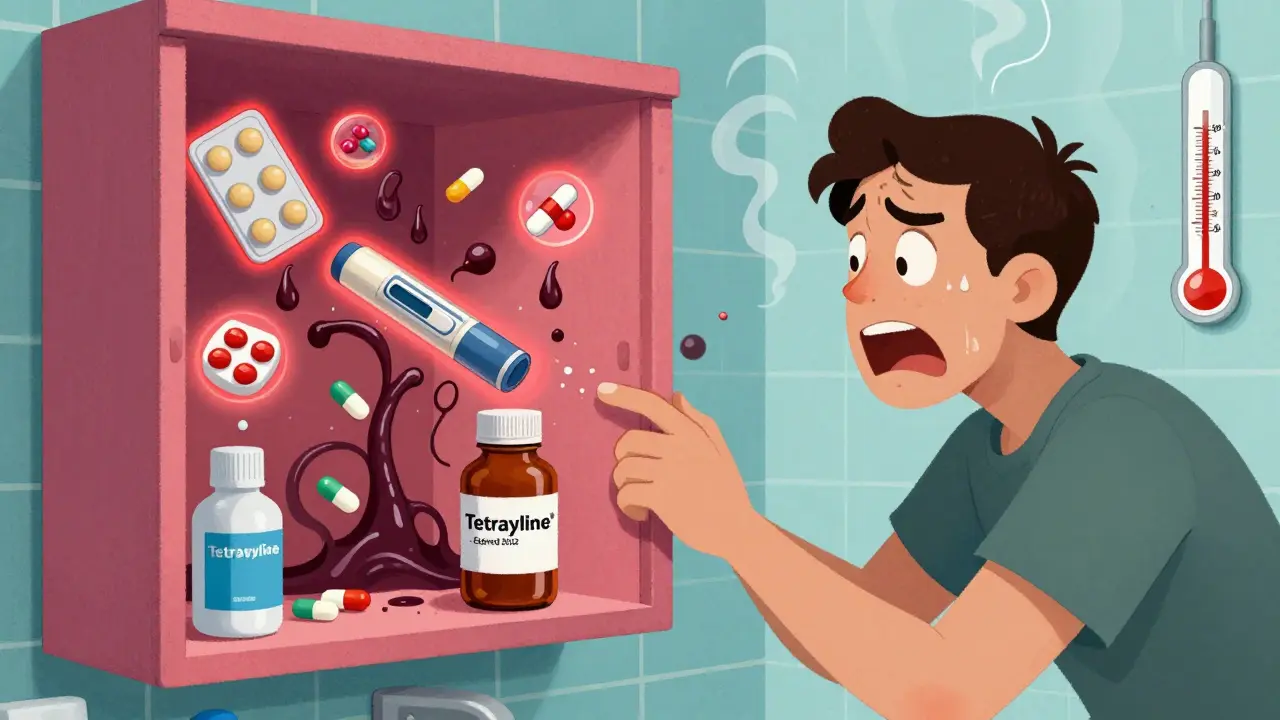
Most expired medications aren't toxic-but some can be deadly. Learn which drugs become dangerous after expiration and how to safely store, use, and dispose of them to avoid serious health risks.
More