
Category: Pharmaceuticals - Page 2
Generic Price Wars: How Consumers Save Money on Prescription Drugs
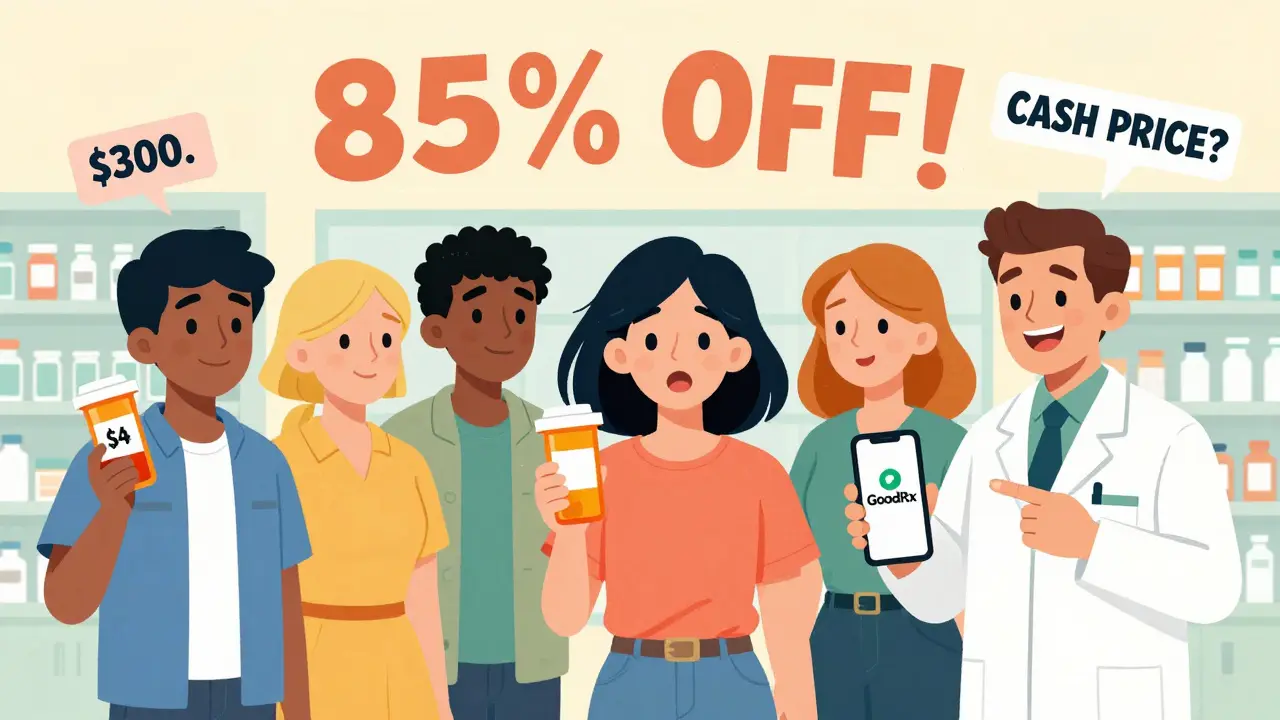
Generic drug price wars can slash prescription costs by over 95%, but most consumers don't see the savings due to hidden middlemen. Learn how to actually save money on generics.
MoreFDA Authorization of Generics: Legal Basis and Approval Process
The FDA approves generic drugs through the ANDA pathway created by the Hatch-Waxman Act, ensuring they are bioequivalent, safe, and affordable. Over 90% of U.S. prescriptions are filled with generics, saving billions annually.
MoreBiosimilar or Generic? How to Choose the Right Medication for Your Treatment
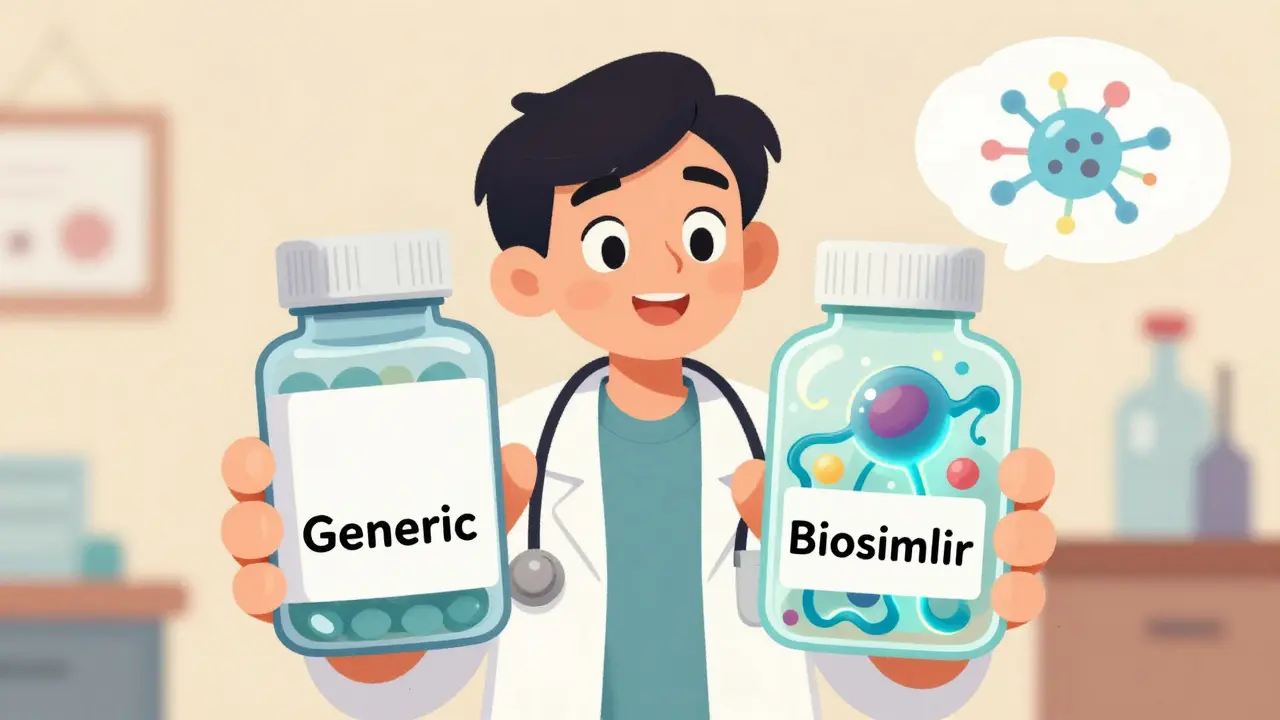
Learn the key differences between biosimilars and generic drugs to make informed treatment choices. Understand cost, safety, approval processes, and how to talk to your doctor about switching.
MoreTheophylline Levels: Why NTI Monitoring Is Critical for Patient Safety
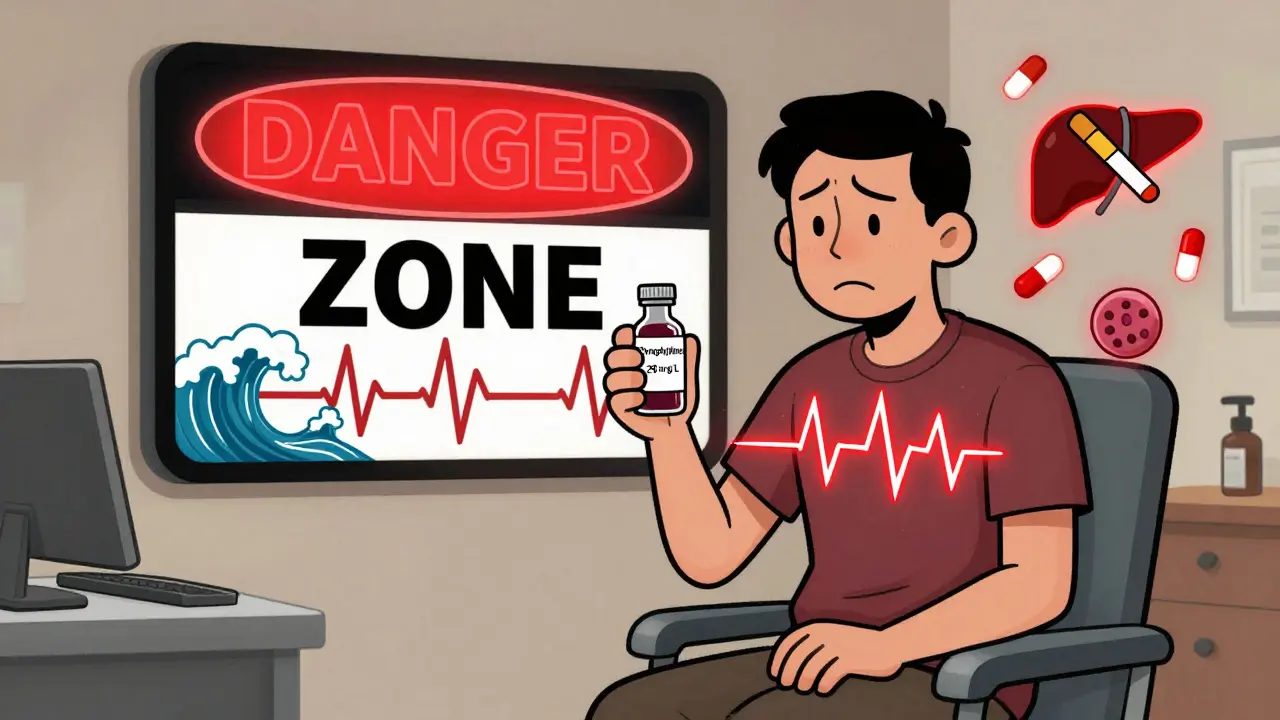
Theophylline has a narrow therapeutic window-10 to 20 mg/L-where it helps asthma and COPD patients without causing deadly side effects. Without regular blood monitoring, even small changes in metabolism or drug interactions can lead to toxicity, seizures, or death.
MoreUsing Two Patient Identifiers in the Pharmacy for Safety: How to Prevent Medication Errors
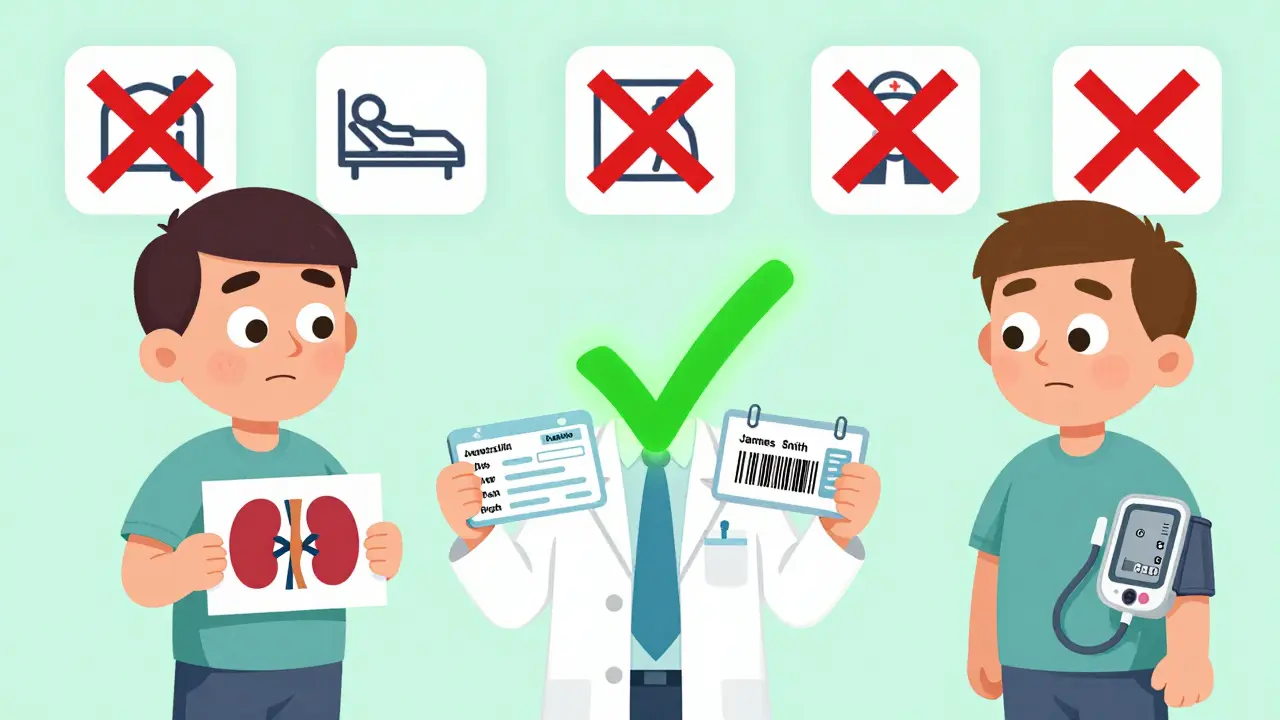
Using two patient identifiers in the pharmacy prevents dangerous medication errors by ensuring the right person gets the right drug. Learn how this simple rule saves lives-and why technology like barcode scanning makes it work.
MoreHow to Use OpenFDA and FAERS APIs to Access Drug Side Effect Reports
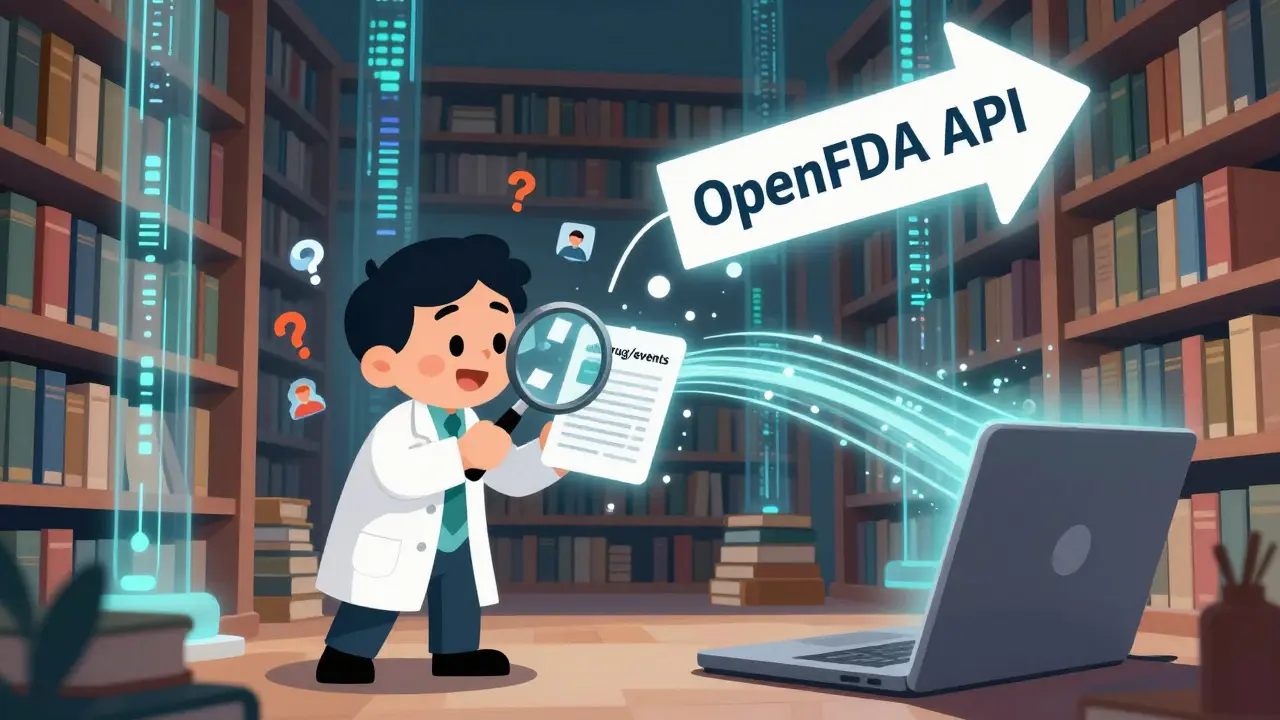
Learn how to use the OpenFDA and FAERS APIs to search drug side effect reports. Get step-by-step guidance on queries, API keys, limitations, and real-world use cases - all from the FDA's official open-data platform.
MoreInsurance Formulary Tiers Explained: Tier 1, 2, 3, and Non-Formulary Drugs
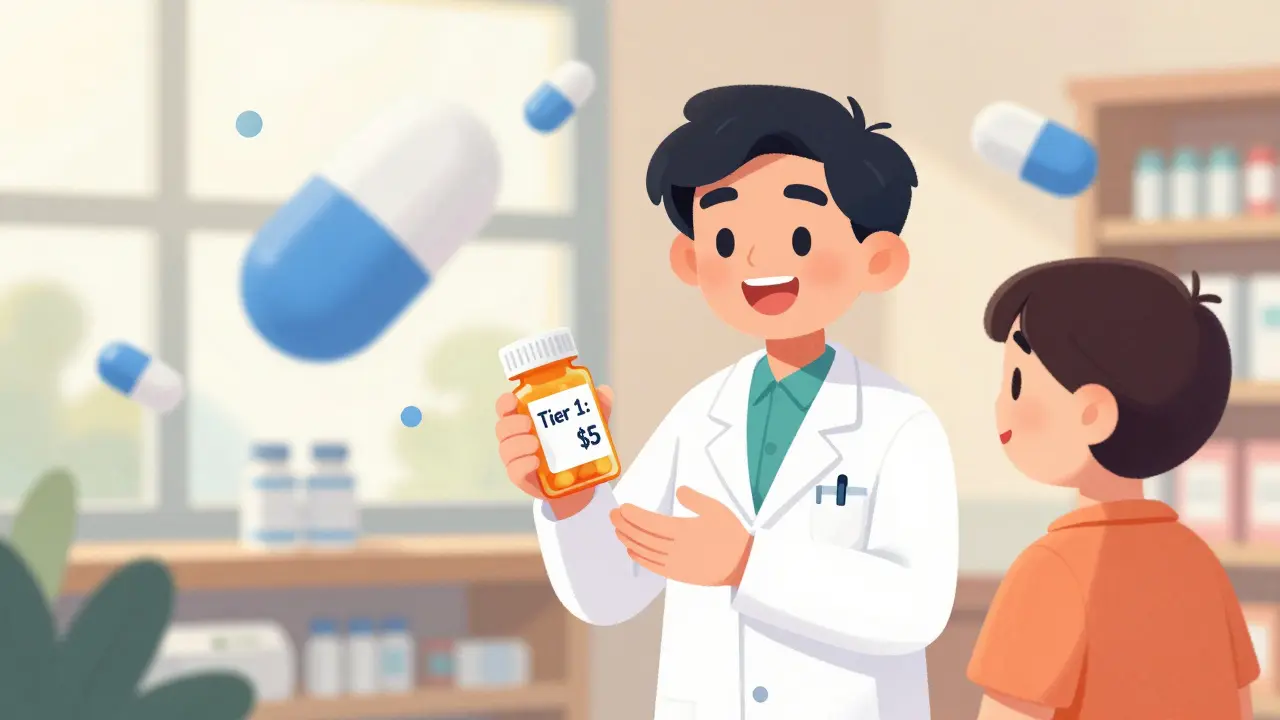
Understand how insurance formulary tiers work - Tier 1, 2, 3, and non-formulary drugs - and learn how to save money on prescriptions by choosing the right meds and using exceptions.
MoreRetail vs Hospital Pharmacy: Key Differences in Medication Substitution Practices
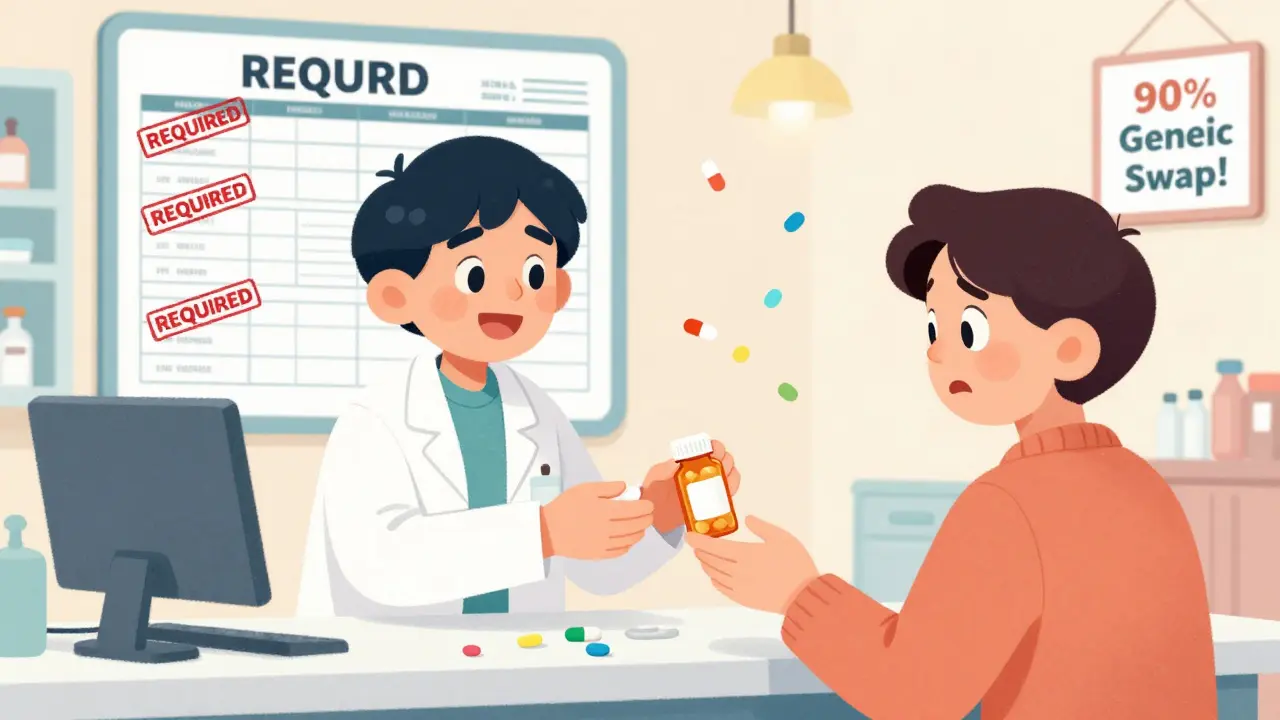
Retail and hospital pharmacies handle medication substitution in completely different ways-one driven by cost and insurance, the other by clinical teams and safety. Understanding these differences helps patients avoid errors and get better care.
MorePharmacy Workflow and Error Prevention Systems Explained
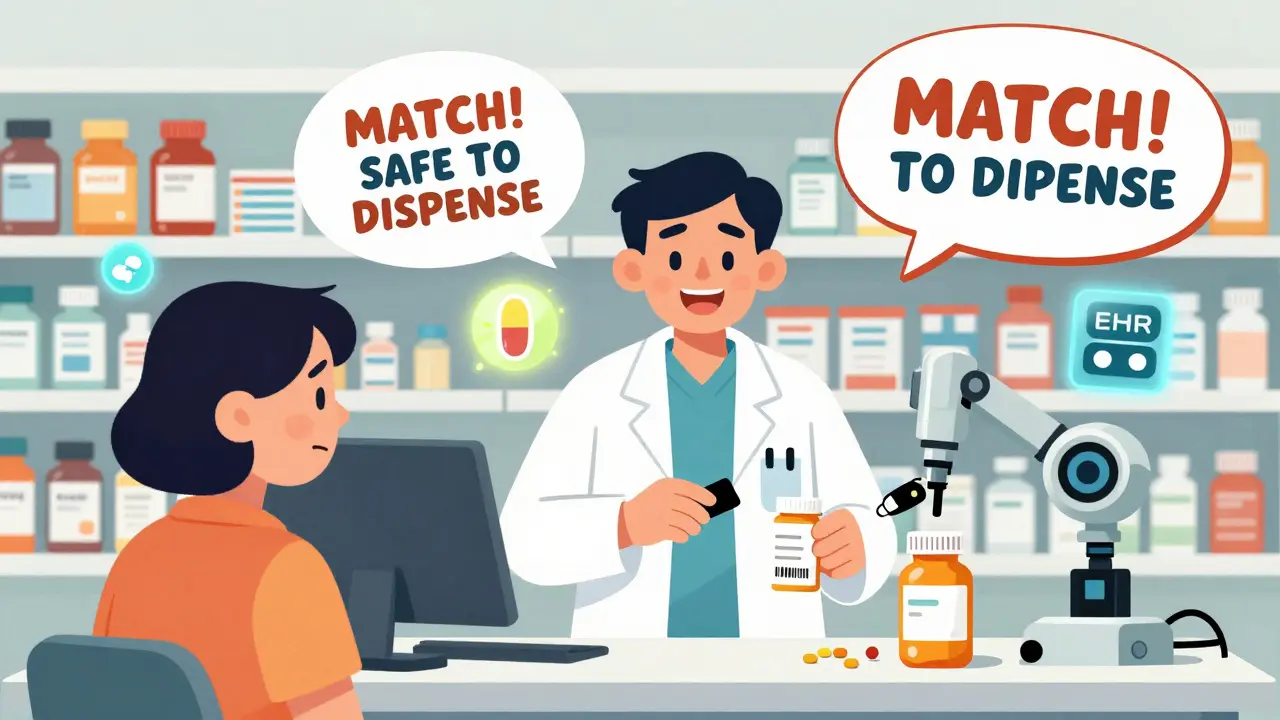
Pharmacy workflow and error prevention systems use automation, barcode scanning, and AI to reduce medication errors, improve compliance, and save time. Learn how these tools are changing pharmacy safety today.
MoreCombination NTI Drugs and Generic Availability: Coverage and Gaps
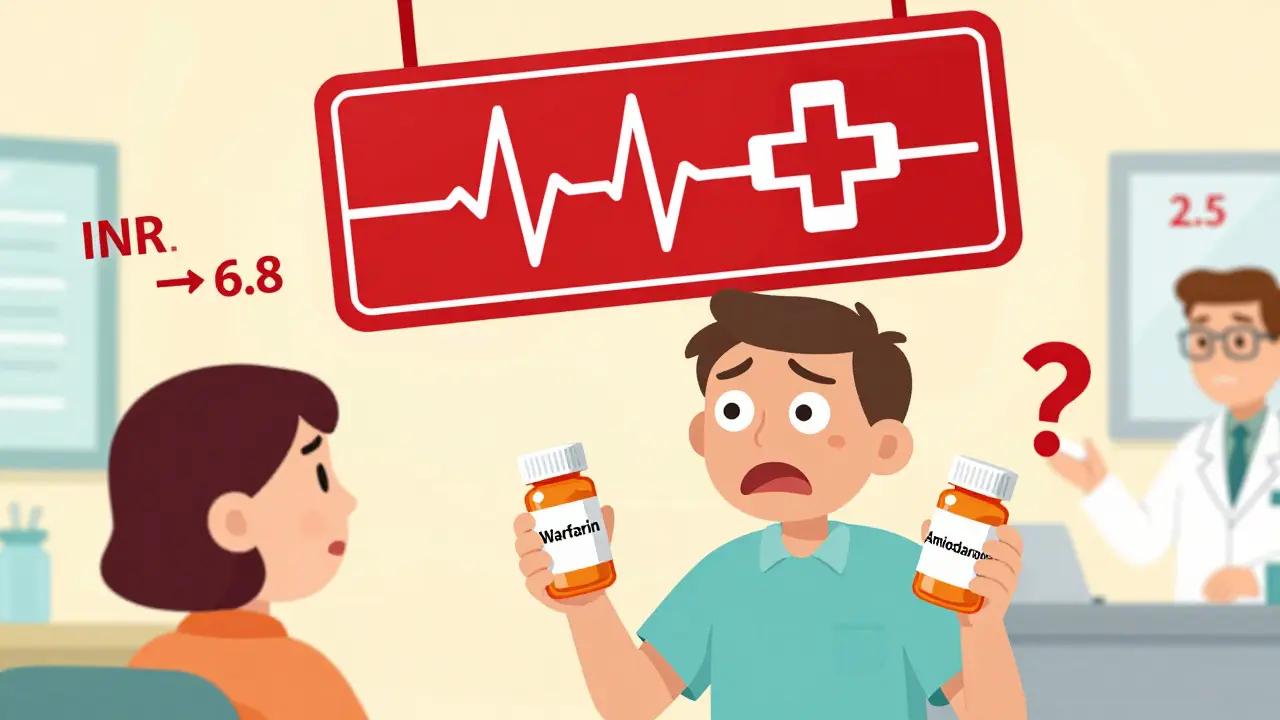
Combination NTI drugs offer powerful treatment for complex conditions, but generic versions are nearly nonexistent due to unmet bioequivalence standards. Patients face higher risks, costs, and monitoring burdens with few safe alternatives.
More