
Category: Pharmaceuticals - Page 3
Acid-Reducing Medications and How They Interfere with Other Drugs
Acid-reducing medications like PPIs can block absorption of critical drugs including HIV treatments and cancer therapies. Learn which combinations are dangerous and how to avoid treatment failure.
MoreHow Pharmacists Prevent Prescription Medication Errors Every Day
Pharmacists prevent over 200,000 medication errors annually by catching mistakes in prescriptions before they reach patients. Learn how they use expertise, technology, and teamwork to keep you safe.
MoreWhen Doctors Say 'Do Not Substitute': Why Brand Drugs Are Sometimes Required
Doctors write 'Do Not Substitute' on prescriptions when generics could risk patient safety-especially for drugs with narrow therapeutic indexes. Learn when brand drugs are medically necessary, how much more they cost, and what you should ask your doctor.
MoreHow Generic Drugs Are Reshaping Brand Pharmaceutical Profits
Generic drugs save billions annually, but brand manufacturers face revenue cliffs after patent expiry. This article explores how pricing, patent strategies, and middlemen shape the battle between affordable meds and pharmaceutical profits.
MoreRespiratory Combination Inhalers: What You Need to Know About Generic Substitution
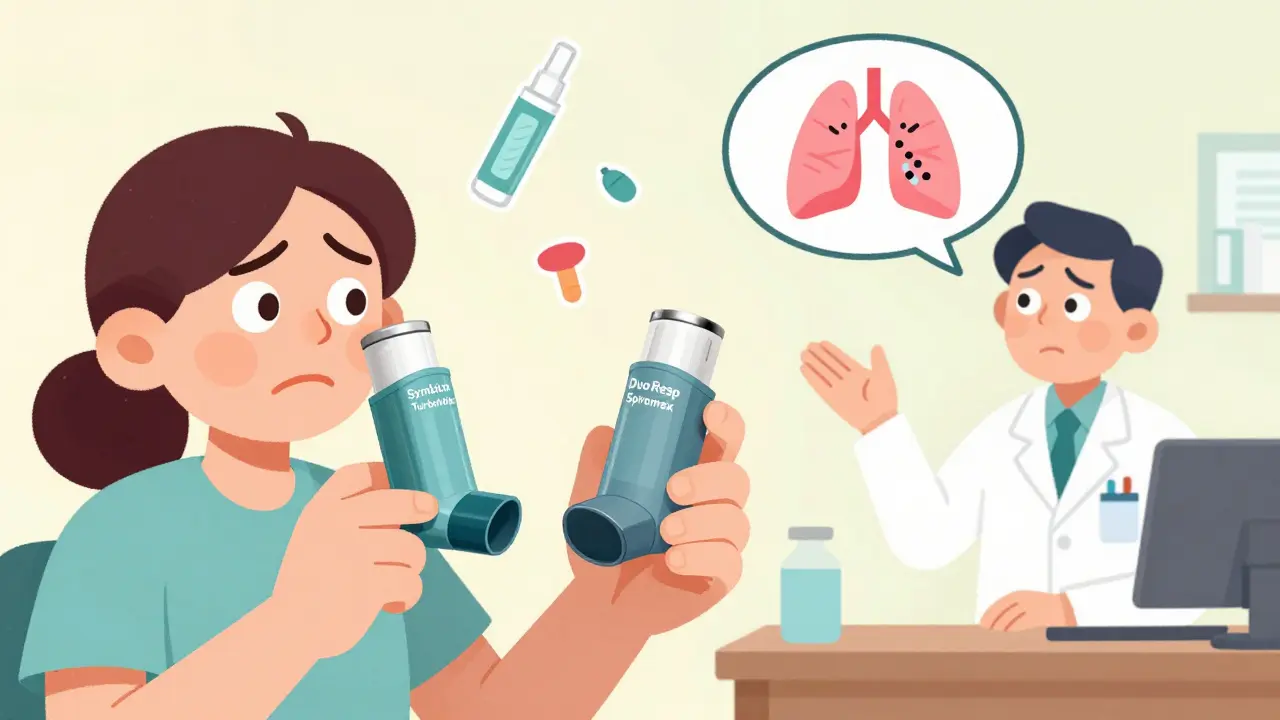
Generic substitution of respiratory combination inhalers can reduce costs-but only if patients are properly trained. Learn why device differences matter more than drug ingredients, and how to avoid dangerous mistakes.
MoreBenzodiazepines: Memory Loss, Fall Risks, and How to Taper Safely

Benzodiazepines can cause memory loss, increase fall risk in older adults, and lead to dependence. Learn how to taper safely, what to expect after stopping, and why long-term use is no longer recommended.
MoreDrug Interactions with Specific Statins: Class Effects and Differences
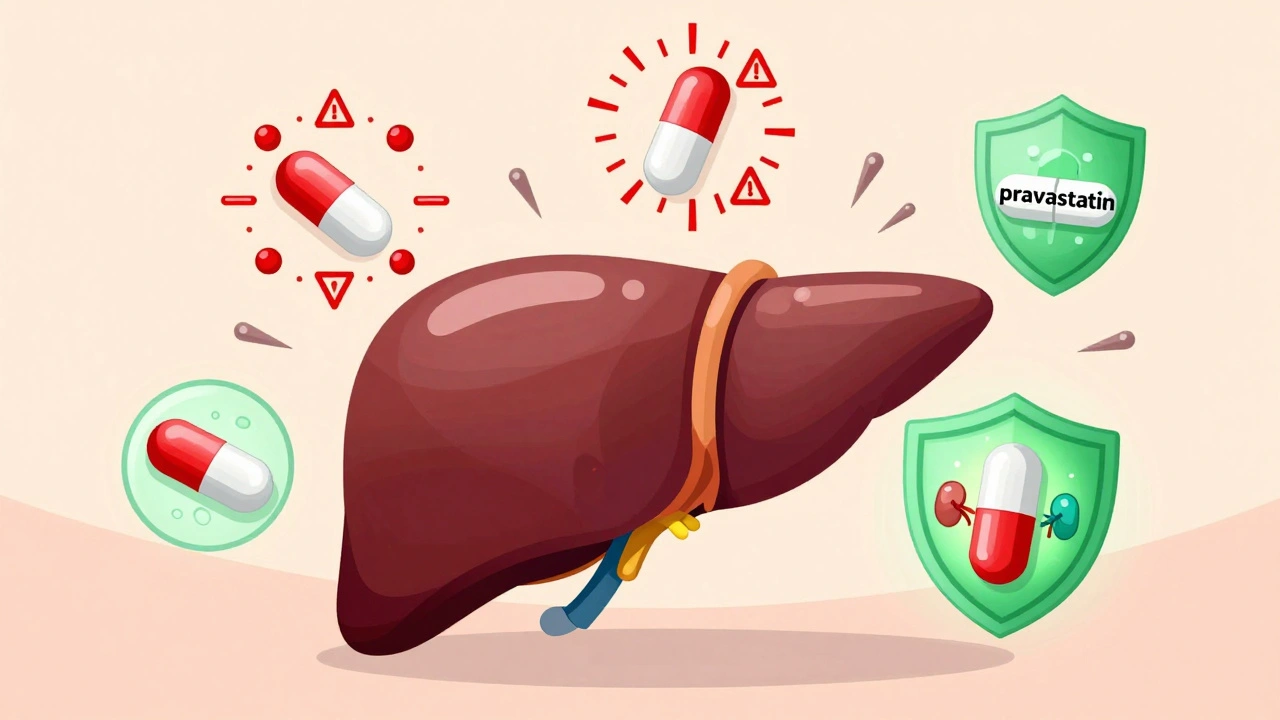
Different statins have very different risks for drug interactions. Simvastatin and lovastatin are high-risk, while pravastatin and rosuvastatin are safer. Learn which combinations to avoid and how to choose the right statin for your meds.
MoreHow Multiple Generic Drug Competitors Affect Prices and Market Stability
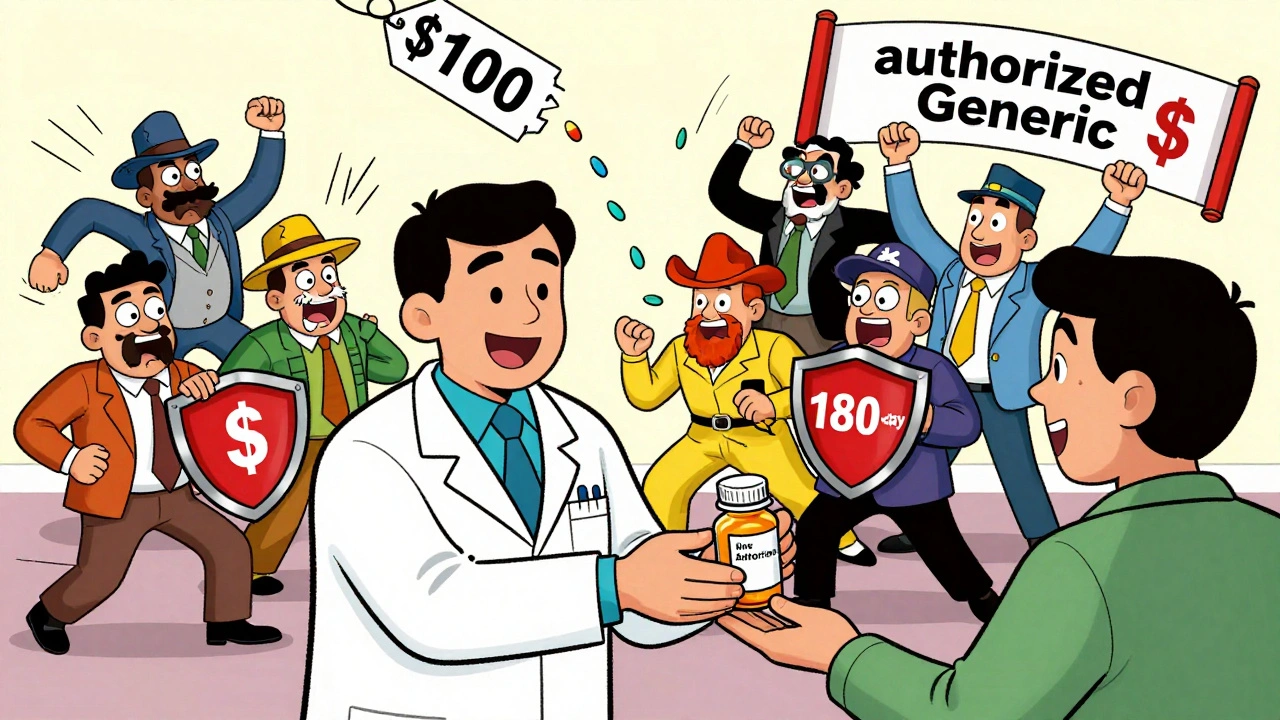
Multiple generic drug competitors don't always lead to lower prices. Real-world factors like patent strategies, regulatory caps, and pharmacy benefit managers shape market outcomes - sometimes limiting competition despite many approved generics.
MoreCitalopram and Escitalopram: QT Prolongation Risks and Safe Dose Limits
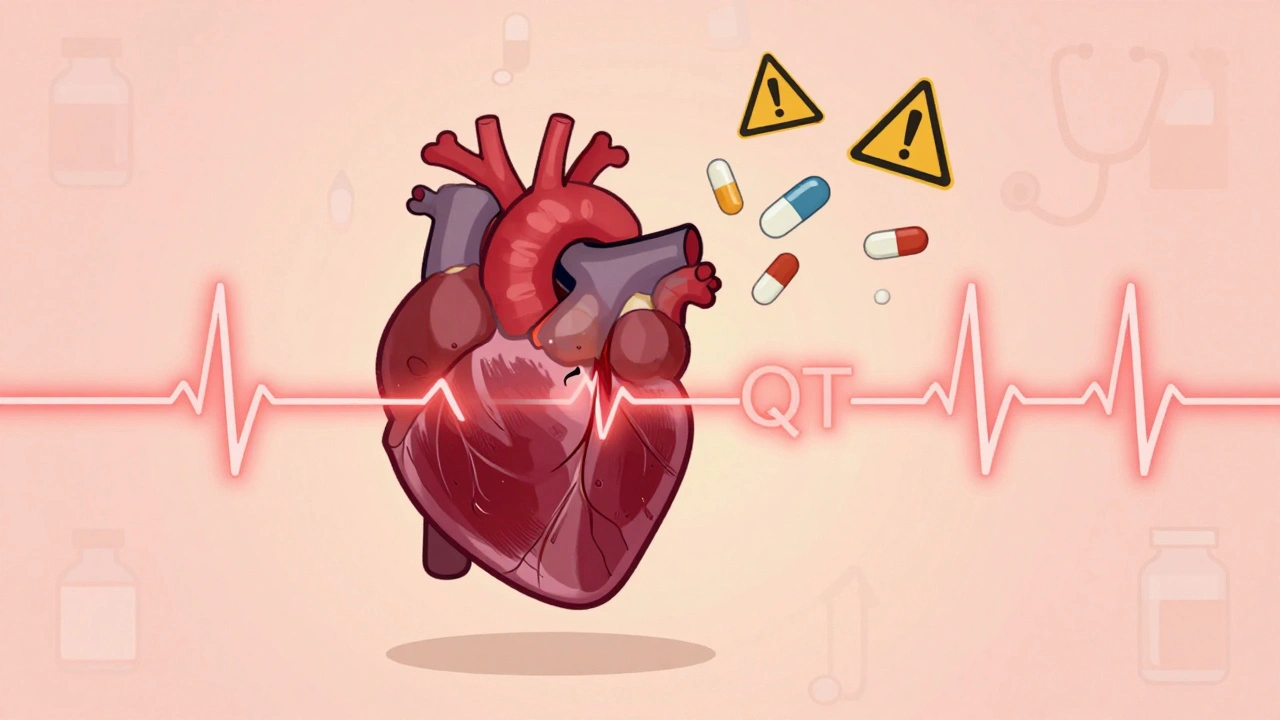
Citalopram and escitalopram are effective antidepressants but carry QT prolongation risks that require strict dose limits. Learn the safe dosing guidelines, who’s at risk, and how to minimize cardiac complications.
MoreFirst-Generation Antihistamines: Why Severe Drowsiness and Anticholinergic Effects Matter
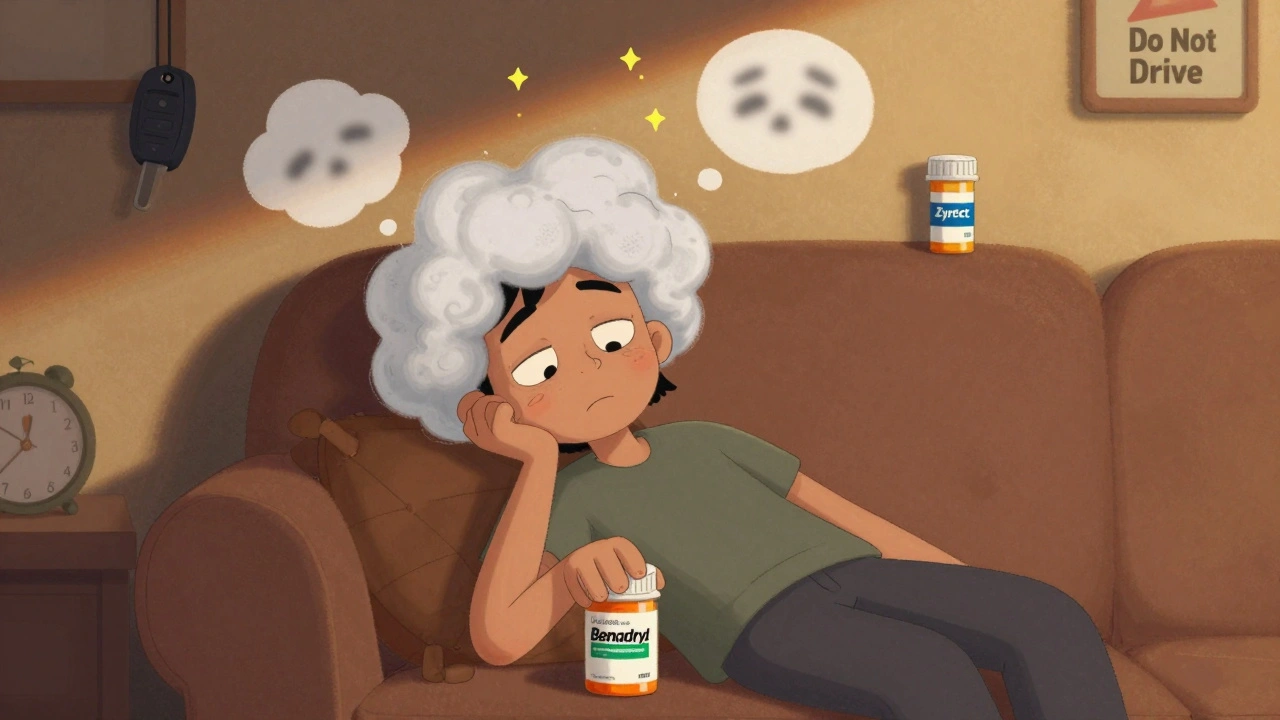
First-generation antihistamines like Benadryl cause severe drowsiness and anticholinergic side effects that can impair cognition, increase dementia risk, and linger for hours. Learn why they're risky-and what to use instead.
More